- Home
- Memories
- Scrapbook ▽
- Topics ▽
- People ▽
- Events
- Photos
- Site Map
- Timeline
Page updated 4th June 2021
Return to People Lists
Also see The Mayor's Office
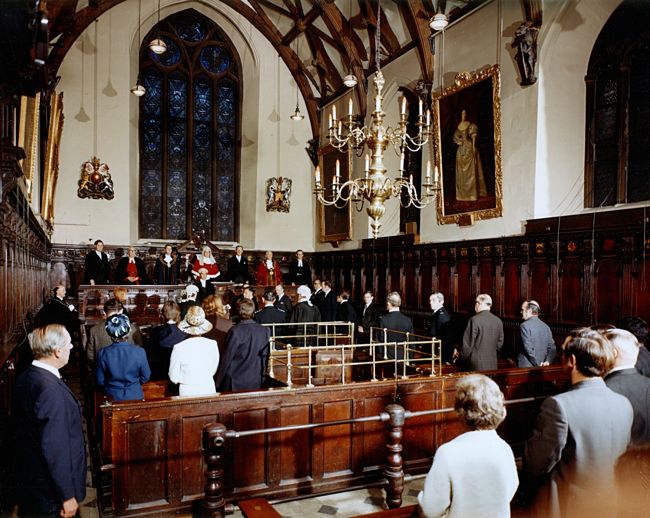
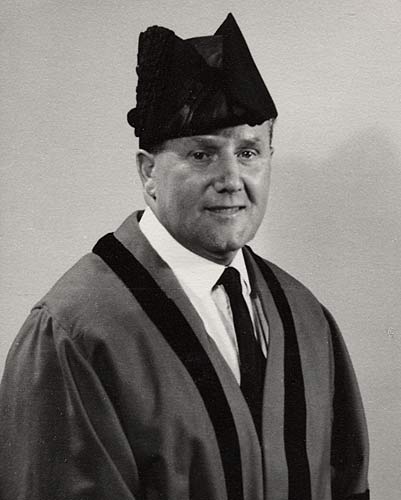
The last Assizes in the Guildhall 1971 |
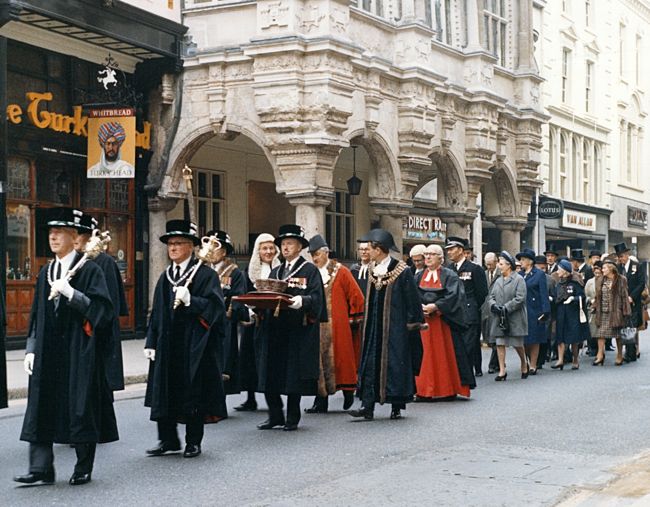
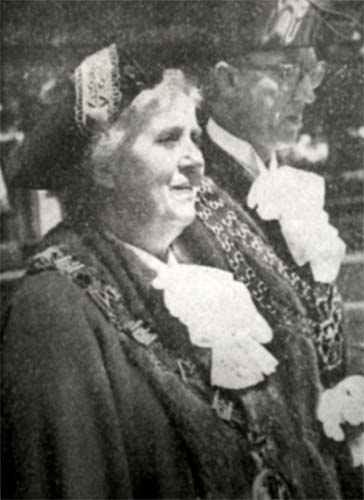
The last Assize procession 1971 |

Mace Sergeants lead the Sheriffs coach |
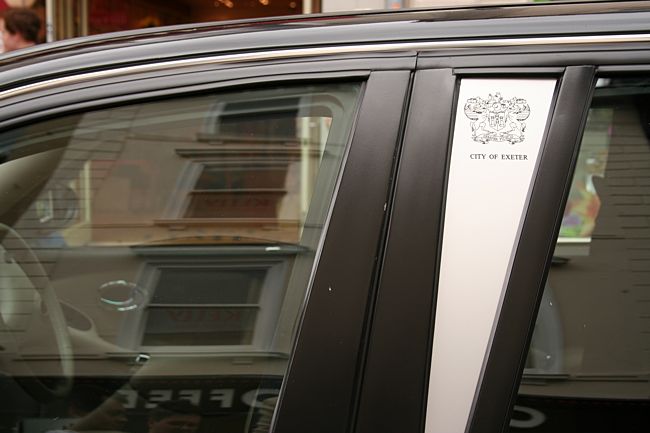
The coat of arms on the Mayor's car. |
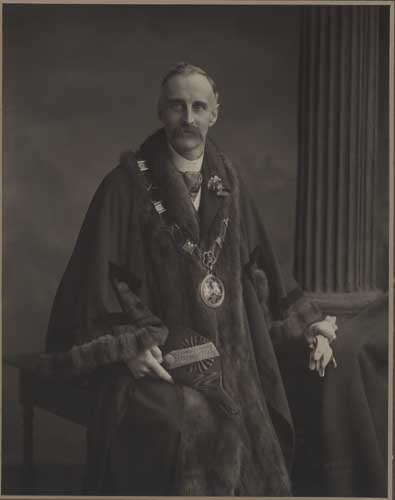
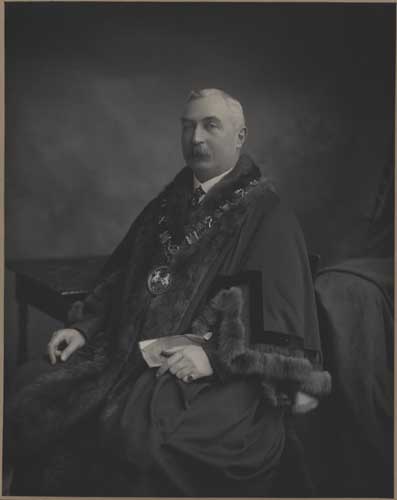
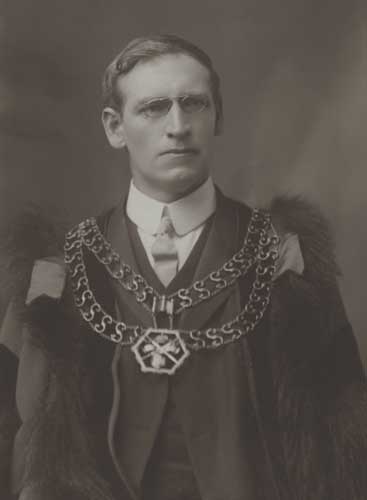
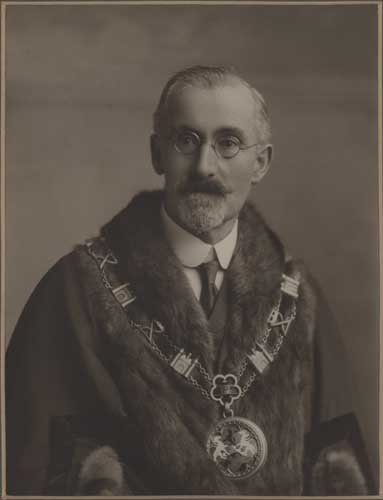
Mayors and Lord Mayors of the City of Exeter and the City and County of the City of Exeter as compiled by Richard Izacke Esq. Chamberlain 1681. Bracketed names are those listed by Rowe and Cochlin in their Mayors of Exeter published in 1964 - if the name has a different spelling, it also follows in brackets for the first occurence. Up until 1835 the Mayor was elected at Michaelmas 29th September. From 1836 until 1948 he was elected in November, and from 1949, they were elected in May.
1200 Henry Rifford (-)
1201
Henry Rifford (-)
1202 Henry Rifford (-)
1203 Henry Rifford (-)
1204
Henry
Rifford (-)
1205 Henry Rifford - The King wrote to an unnamed
city
Mayor (assumed to be Martin Prudume) this year requiring that he
provide a vessel for national defence.
1206 Henry Rifford (-)
1207 John Fitz-Robert - Some historians state that William Derling was
the first named Mayor in this year. Hoskins states that Derling was
Mayor 11 times between 1208 and 1222.
1208 John Fitz-Robert
(-)
1209 John Fitz-Robert (-)
1210 John Fitz-Robert (-)
1211 John
Fitz-Robert (-)
1212 John Fitz-Robert (-)
1213
William Blondy
(-)
1214 William Blondy (William Derling) 1214 is the date of
the
earliest mayor listed by Rowe and Cochlin 1964.
1215 William
Blondy
(William Hastement)
1216
Walter Turbert (William Derling)
1217 Roger Fitz-Henry
(William
Derling)
1218 Walter Gervyse - built the Exe Bridge and
Cricklepit
Mill (Walter Turbert)
1219 Walter Turbert (Walter Turbert)
1220
Walter Turbert (-)
1221 Roger Fitz-Henry (William Derling)
1222
Roger Fitz-Henry (-)
1223 Walter Gervyse (-)
1224
Walter
Turbert (Hilary Blund)
1225 Walter Turbert (Hilary Blund)
1226
Roger Fitz-Henry (Hilary Blund)
1227 Walter Turbert (Hilary
Blund)
1228 Walter Turbert (Hilary Blund)
1229 Roger Fitz-Henry
(Hilary
Blund)
1230 Roger Fitz-Henry (Walter la Chawe)
1231
Walter
Gervyse (Roger, Fitz-Henry)
1232 Walter Turbert (Martin Rof)
1233 Hillary Blondy (John Turbert)
1234 Martin Roff - Hoskins
states that Roth was Mayor no less than 15 times between 1232 and 1253.
(Hilary Blund)
1235 Roger Fitzhenry (Martin Rof)
1236 Walter
Turbert (Walter Gervase)
1237 Martin Roff (Walter Gervase)
1238
Martin Roff
1239 Water Gervyse (Martin Rof)
1240
Martin Roff
1241 Martin Roff
1242 Martin Roff
1243 Martin Roff
1244
Adam Rifford (Martin Rof)
1245 Martin Roff
1246
Adam Rifford
1247 Martin Roff (Adam de Rifford)
1248 Walter Hastement
(Adam de
Rifford)
1249 Martin Roff
1250 Martin Roff - former
Mayor
Walter Gervyse died and was buried in St Edmunds Chapel on the Exe
Bridge which he had been instrumental in building.
1251 Adam
Rifford (Martin Rof)
1252 Martin Roff
1253 Adam
Rifford
1254 John Okeston
1255 Hilary Blondy (Philip Tinctor)
1256
Philip Dyer (Philip Tinctor)
1257 Hilary Blondy (Philip
Tinctor)
1258 Hilary Blondy (Nicholas de Ivelcestre)
1259 Philip Dyer
(Philip Tinctor)
1260 Walter Okeston (Philip Tinctor)
1261
Hilary White (Philip Tinctor)
1262 Walter Okeston (Philip
Tinctor)
1263 Nicholas Ilchester
1264 Philip Dyer (Walter de Okeston)
1265 Walter Okeston
1266 William Dirling (Walter de Okeston)
1267 Nicholas Ilchester - died on 21st February 1268 and was
replaced by Walter Chawe
1268 Walter Okeston
1269
Alphred
Duport (John de Hokeston)
1270 Martin Dirling (Walter de
Okeston)
1271 Martin Dirling (Walter de Okeston)
1272 Martin Dirling
1273
Richard Geythen (Martin
Durling)
1274 Martin Dirling (Martin Durling)
1275
Alphred
Duport (Martin Durling)
1276 Alphred Duport
1277
John Feniton
(Martin Durling)
1278 Alphred Duport
1279 John
Feniton
1280
Alphred Duport
1281 Alphred Duport
1282 Martin
Dirling (Thomas
Gatepath)
1283 Alphred Duport
1284 Alphred Duport -
also known
as Alured de Porta, was implicated in the Walter Lechlade murder and executed
in 1285
1285 David Tayler (David Cissor - Lent to Michaelmas)
1286 David Tayler (Taillur)
1287 John Zouch (Soth) -
agreement was
made between the Bishop, Dean, Chapter and the Mayor and Citizens for
enclosing the Cathedral Yard.
1288 John Zouch
1289
Richard
Allen (Aleyn)
1290 John Zouch
1291 John Zouch
1292 William
Gatepath - the Mayor, with others, witnessed the deed of Ongarus de
Saneto Milone, a citizen who gave to the Dean and
Chapter Stoke-Wood, uniting Stoke-Wood to their Manor of Stoke
Canonicurum.
1293 Richard Tantifer (William de Gatepath)
1294
John Zouch
1295 John Zouch
1296 Walter Tantifer
(Tauntifer)
1297 Walter Tantifer
1298 Walter Tantifer
1299 John
Horn
1300 William Gatepath
1301 William Tantifer
1302
Roger Beynim
(Roger le Whetene) - a dispute arose between Mayor and people of the
city, and tenants of the Lord of Kenton and Wyke, who refused to pay
Murage for their wares and merchandises. Murage was a tax for repairing
the walls.
1303 Roger Wheaton (Roger Beyvin) - Wheaton
decreed that
persons who set up for Lammas Fair before the appointed time had to
answer to the Mayor.
1304 Roger Wheaton
1305 Roger
Beynim
1306 Roger Beynim
1307
William Gatepath
1308 Roger Beynim
1309 Roger
Beynim - Hugh Courtenay was in dispute with Bishop Cator over the
purchase of three pots of fish in the market. The Mayor intervened and
ordered that one box be allocated to Courtenay, one to the bishop and
one to the market. Courtenay berated the Mayor over the affair with the
citizens outside, afraid for the Mayor's safety. The Mayor wearing a
coat bearing the Earl's coat of arms, suddenly took the coat off and
flung it to the ground, stating that Exeter's Mayors from then on would
only answer to the king.
1310 Walter Tantifer
1311
Walter
Langdon (de Langdene)
1312 William Gatepath
1313
Roger Beynim -
the Mayor this year fined the bakers of the city for underweight bread.
Seventeen complained, but lost their case.
1314 Roger Beynim
1315 Philip Lovecocke (Lovecok)
1316 Philip Lovecocke
1317
Roger Beynim
1318 Philip Lovecocke
1319 Roger Beynim
1320
Philip Lovecocke
1321 William Wotton
1322 Robert
Wotton
1323 Robert Wotton
1324 Philip Lovecocke
1325
Philip Lovecocke
1326 Philip Lovecocke
1327
Richard Soller (le Seler)
1328 Philip Lovecocke
1329 Philip
Lovecocke
1330 Martin Lekenn (Le Keu)
1331 Philip
Lovecocke
1332 Martin Lekenn
1333 Thomas Gervis (Gerveys)
1334 Martin
Lekenn (Le Kenn) - died on 17th March 1335 and was replaced by Thomas
Lichfield
1335 Henry Hughton (de Hughetone)
1336
Henry Hughton
1337 Thomas Gervis
1338 Henry Hughton
1339 Thomas
Lichfield (de
Lycchefeld)
1340 Henry Hughton
1341 Henry Hughton
1342
Robert Furber (le Forbour)
1343 Thomas Furber
1344
Henry Hughton
1345 Henry Hughton
1346 Thomas Furber
1347 Henry
Hughton
1348 Nicholas Halberton - died on 14th July 1349 and was replaced by
Robert Noble
1449 Robert Bridport (de Brideport)
1450 Robert
Bridport
1351 Robert Bridport
1352 Robert Bridport
1353
John Spicer
1354 John Spicer
1355 Robert Bridport
1356 John
Gist (Gyst)
1357 John Spicer (le Noble)
1358 Robert
Noble
1359 John Spicer
1360 John Spicer
1361 John Gist
1362 John
Gist
1363 John Gist
1364 John Gist
1365
Nicholas Taverner
(Tavener)
1366 Nicholas Brydestow (Brittestouwe)
1367 Nicholas
Brydestow
1368 Warren Bayliff (Bailliff)
1369 Roger
Plenty
(Plante)
1370 Martin Battishill (Batteshull)
1371
Roger Plenty
1372 John Gist
1373 Roger Plenty - died December 7th 1373 and
replaced by Robert Wilsford
1374 Robert Wilsford (Wylford)
1375
Robert Wilsford
1376 John Grey
1377 Robert Wilsford
1378 Robert Wilsford
1379 Robert Wilsford
1380 John Grey
1381 John
Nymett (Nymet)
1382 Robert Wilsford
1383 John Talbot
1384 Robert
Wilsford
1385 Adam Scutt (Scut)
1386 Robert Wilsford
1387 Richard
Bosom (Bosoun)
1388 Robert Wilsford
1389 Richard
Bosom
1390
Robert Wilsford - a ship from Portugal docked at Topsham with
a
load of corn, and unloaded it before a license was obtained. The Mayor
seized the goods as a forfeit but a fine of four pounds was paid to the
Mayor at the request of the Earl of Devon.
1391 Richard Bosom
1392 Robert Wilsford
1394 Robert Wilsford
1395
Simon Grendon
1396 John Talbot
1397 Adam Scutt
1398 Simon Grendon
1399 John Grey
1400 William Wilsford
1401 William Oke
1402 William Wilsford
1403 Henry
Hull (Hulle)
1404 William Wilsford
1405 Simon Grendon - founded Grendon's
Almshouses, known as the Ten Cells in Preston Street. They were rebuilt
in 1878.
1406 William Wilsford
1407 Adam Scutt
1408 William
Wilsford
1409 Richard Bosom
1410 Adam Scutt
1411 William
Wilsford
1412 William Wilsford - followed by Henry Hull
1413 Peter Sturt (Sturte)
1414 Thomas
Easton (Eston)
1415 Peter Scutt (Peter Sturte)
1416
John Batten
(Batyn)
1417 John Cook (Cooke)
1418 John Batten
1419 Thomas
Baston (Eston)
1420 John Batten
1421 John Cook
1422 Thomas Easton
(Eston)
1423 John
Easton (Eston)
1424 John Cook (Cooke) - a memoradum stated
that the
Mayor and Officers were to be given 6 loaves of bread and 12d for the
feast of Christmas and Easter from this year.
1425
Robert
Voysy (Vessy)
1426 Thomas Easton (Eston) - the Mayor was
proved in
court to be in charge and government of every deceased freemans child
under 21. He was to ensure a good education for them.
1427
John
Hall (Hull)
1428 John Shillingford (Shillyngford)
1429 John
Shillingford
1430 John Hull
1431 William Cook
1432 Thomas
Cook
1433 John Salter
1434 William Cook
1435 Thomas Cook
1436 John Cutler (Cateler)
1437 John Hull
1438
Bermet Drew
1439 William Cook
1440 William Upton
1441 Thomas
Cook
1442
John Cutler
1443 Hugh Germin (Germyn)
1444 John
Shillingford -
son of Shillingford above, he was elected against his will, and forced
by the King to take office.
1445 John Hull
1446
John
Shillingford
1447 John Shillingford - this year the Mayor
personally rode several times to London to see the Lord Chancellor, to
settle a dispute with the Bishop and Chapter.
1448 John
Cutler
(Cotelere)
1449 Hugh Germin
1450 William Cremyll
(Cremell)
1451 Hugh Germin
1452 Walter Pope
1453 Hugh Germin
1454
Richard Oreng (Orenge) - contracted leprosy and confined to the
Magdalen Hospital in 1458 for the rest of his days.
1455 Hugh
Germin
1456 William Duke - he was a bell maker who made a bell for the
Guildhall in 1464 for 33s 4d.
1457 John Kelley
1458
Richard
Druell
1459 John Betty (Bettye)
1460 William Duke -
the public
water supply at the Carfoix had become derelict. Duke paid for the
Carfoix to be refurbished and covered with lead.
1461 John Kelley (Kelly)
1462 Hugh Germin
1463 Richard Druell
1464 Hugh Germin
1465 Richard
Druel
1466 Hugh Germin
1467 Thomas Calwoodley (Calwodeley)
1468 John
Hamlyn (Hamelyn)
1469 Robert Smith (Smyth) - was born in
Exeter in
1430 and died 1490. While Mayor, Smith entertained Edward IV who gave
him a sword in appreciation. His grandson emigrated to America with the
Rev John Davenport and founded New Haven, Connecticut. A living
descendent, Peter Smith lives in Chevy Chase Maryland. The
sword
can be seen in the Guildhall.
1470 Hugh Germin
1471
Richard
Jeffrey (Geffrey)- died 3rd August 1472 and was replaced by Hugh Germin
1472 Richard Clerk
1473 Richard Rumwell (Ronewill)
1474 Hugh
Germin
1475 John Oreng
1476 John Atwill (Attwyll)
1477 John
Kelley
1478 William Obleigh (Obeley)
1479 John
Atwill
1480
Thomas Calwoodley (Calwodeley)
1481 Richard Druell
1482 Roger
Worth (Worthe)
1483 John Atwill
1484
Matthew Jubb (Jubbe)
1485 Robert Russell
1486 Thomas
Calwoodley
1487 Robert Newton
1488 Richard Clerk
1489
Stephen Rudgway (Riggeway)
1490 John Hooker (Hoker)
1491 Robert
Chubb (Chubbe)
1492 John Atwill
1493 John Colshill
1494
William Obleigh (Obley)
1495 John Calwoodley
1496
John Atwill -
was considered by his contemporaries to be more 'worthy to be a governor of some
great
state than this city'.
1497 William Froste
(Frost) - was
appointed by Henry VII, when the King presented the City with his sword
and cap of maintenance. An order was also given that the Mayor should
wear a scarlet gown and cloak, which was lined with sarsenet
1498
Richard Undye (Unde)
1499 Nicholas Hamlyn
1500 Walter
Yorke
1501 John Calwodley
1502 Walter Champneys
(Champeneys)
1503 Robert Newton - died of the plague on 9th May 1504, and was
replaced by John Danester who also died of plague on 15th August, and
was replaced by William Frost
1504 Thomas Andrew
1505 William
Crudg (Crugge)
1506 Richard Hewitt (Huet)
1507 John
Calwoodley
1508 John Limpenny (Lypmany)
1509 John Buckenam (Bucknam) - was
born in Suffolk
and came to Exeter to train as a merchant. His nephew William Buckenam
was Mayor in 1541.
1510 Thomas Andrew
1511 William
Wilsford
(Wilford) - died 29th Jan 1512, replaced by William Crudge
1512
Richard Symons
1513 Richard Hewitt
1514 John Moor
(more)
1515 William Crudg
1516 John Buckenam (Bucknam) - his will
stated "... bequeathed
to this Chamber One full
Moity (half portion) or Halfendeal of all that Tenement, with the
Appurtenances commonly called the 'Bear-Inn in South, gate-street for the Benefit of the said Alms-house; "
1517 Thomas Hunt (Hunte)
1518 William Crudg - when he died in
1520,
he was the wealthiest merchant in Exeter. He started life as a tanner,
and became a merchant after he was maimed in a quarrel.
1519
Jeffrey Lewes (Lewis) - was born in Wales and came to Exeter as a
merchant tailor. He became warden of St Mary Magdalen leprosy hospital.
1520 John Broadmere (Bradmore)
1521 John Nosworthy
(Noseworthy) -
devoted himself to public service, and lost his business as a lawyer as
a result. He made a chest to keep the city records, some of which
survive to today.
1522 Richard Duke - reformed the ale-houses
and
made landlords responsible for the good behaviour of their customers.
1523 John Symons - died 27th September 1523 the day after his election,
and was replaced by Thomas Hunt
1524 William Hurst
1525 William
Bennet (Benett)
1526 Henry Hamlyn - son of a Mayor and from a
merchants family, Hamlyn founded the Exeter cloth market.
1527 John
Britnall (Brycknall)
1528 Robert Buller
1529 Robert
Hooker -
John Hooker, City Chamberlain in 1590 was Hooker's son, and Richard
Hooker, theologian was his great nephew. Todd O'Brien of Philadelphia,
Pennsylvania is his great (x13) grandson. There are still Hookers
living in Exeter.
1530 John Blackaller
1531 Gilbert Kirk
(Kirke)
1532 William Peryam (Peryham) - his father was a
franklin
(a freeholder who was not of noble birth). Despite his rough and ready
personality, he married Mayor Blackaller's daughter.
1533
Richard
Martin (Martyn) - was the son of Sir Richard Martin of Athelhampton,
Dorset.
1534 John Britnall
1535 William Hurst
1536 John
Blackaller
1537 Thomas Hunt
1538 Henry Hamlyn
1539 Gilbert
Kirk
1540 Thomas Spurway - originated from Tiverton. He was
bailiff
of Exe island and a fortunate marriage helped him in his civic career.
1541 William Buckenam (Bucknam) - nephew of John Buckenam, Mayor in
1509 and 1516.
1542 John Buller
1543 Robert Tooker
(Tucker) -
came from a poor family from Moreton Hampstead. He received an injury
in a dispute which resulted in compensation from the city, which he
used to set up as a baker and brewer. He represented Exeter at court
when the city was granted county status by Henry VIII.
1544
Thomas
Prestwood
1545 William Hurst
1546 John Britnell
1547 John Midwinter -
was from a dyer's
family in Ottery St Mary. His brother Robert was Mayor in 1559. They
were successful merchants. See 1554.
1548 John Blackaller -
was
Mayor during the Prayer Book Dispute and rallied the city against the
rebels.
1549 John Tuckfield
1550 Thomas Prestwood
1551
William Hurst
1552 William Tothill - Izacke asserts that
Tothill
had two wives in succession and 36 children from them.
1553 William Smith
1554 John
Midwinter - his
daughter Mary was mother of Isaac Mawditt Senior who owned the Fountain
Tavern, Fore Street, and Grandmother of Isaac Mawditt, Mayor in 1673
and 1681.
1555 Moris Levemore
1556 Walter
Staplehill -
originated from Tresham, Gloucestershire.
1557 John Peter
1558 John Buller
1559 Robert Midwinter
1560 John Blackall
1561 William Hurst
1562 John
Peter
1563
John Peryam
1564 Moris Levermore
1565 John Wooloott
1566
Thomas Richardson - originated from Cheshire.
1567 John Smith
1568 Robert Chaff (Chaffe) - originated from Somerset. He was an
ecclesiastical lay official.
1569 William Chappell - the
first of
three Chapell's to be Mayor - see 1579, 1588 and 1595.
1570
Simon
Knight - originated from Somerset, he was an apprentice of William
Hurst (Mayor 1561), acting as his overseas agent, before striking out
on his own.
1571 Thomas Bruerton
1572 John Peryam -
died 5th
September 1573, and was replaced by John Blackall
1573
William
Tryvett
1574 Nicholas Martin
1575 John Peter
1576 Thomas
Prestwood - died 28 December 1576, and was replaced by Robert Chaffe
1577 George Perrymam
1578 Richard Prowse - ordered, along
with the
Chamber that new members would have to present a gilded spoon made from
an ounce of silver to the chamber. There is a direct, living descendent in Portsmouth, and another who was an Australian MP.
1579 William Chappell - died
15
December 1579, and was replaced by Simon Knight
1580 Thomas
Bruerton
1581 Thomas Martin
1582 Michael Germin
1583 Jeffrey
Thomas
1584 John Davy - this year, Don Antonio, the deposed king of Portugal,
visited Exeter and was entertained by the Mayor.
1585
Nicholas
Martin
1586 George Smith
1587 John Peryam
1588 Thomas
Chappell - the second of the Chapell family to be Mayor - he is the
(10x) great grandfather of Edwin Chapell, who lives in Exmouth.
1589 Richard Prowse
1590 William Martin
1591
Michael Germin
1592 Nicholas Spicer
1593 Thomas Spicer
1594 John
Davy
1595
John Chappell - the third Chapell to be Mayor within 26 years.
1596
John Levermore
1597 George Smith
1598 John Peryam
1599 John
Howell
1600 William Martin
1601 Thomas Walker
1602 Richard
Beavis - died 26th August 1603, and was replaced by William Martin
1603
Nicholas Spicer
1604
John Davey
1605 Henry Hull
1606 Richard Dorchester
1607 Sir
George Smith Knight
1608 John Prowse - nephew of Richard Prowse, Mayor 1578 and 1589.
1609 Hugh
Crossing
1610 Walter Borough
1611 Jonn LantI
1612 William
Newcombe
1613 Jeffrey Waltham
1614 Thomas Walker
1615 John
Marshall
1616 John Sheer
1617 Ignatius Jourden - was
instrumental in
making Exeter a Puritan city, and hence, up for Parliament, in the run
up to the Civil War
1618 Thomas Martin
1619 John
Prowse
1620 Hugh Crossing
1621 Walter Borough
1622 John
Modyford
1623 John Gupwill
1624 Thomas Crossing
1625 Thomas Walker -
while Mayor elect, there was an
outbreak of the plague. Walker refused to take office and left the
city, to return after 7 weeks by royal command. Ignatius Jourden
deputised as Mayor for the seven week absence.
1626 John
Taylor
1627 John Acland
1628 John Lynn (Lynne) - originated from
Cambridgeshire.
1629 Nicholas Spicer
1630 Thomas
Flay
1631
Nicholas Martin
1632 John Hakewill
1633 Gilbert
Sweet
1634
Francis Crossing
1635 Adam Bennet
1636 Roger Mallock
1637
Thomas Crossing
1638 James Tucker - originated from Moreton
Hampstead.
1639 Robert Walker was a strong Royalist, and was
one of
those chosen to negotiate the surrender of Exeter to Parliament, at
Poltimore House in April 1646.
1640 John Penny
1641
Richard
Saunders
1642 Christopher Clark
1643 Sir Hugh
Crocker - was
Knighted by Charles I July 26th or 27th 1643, while Mayor. See
sidepanel Crocker's sons
in America
1644 Nicholas Spicer - was one of the negotiators of the Treaty of
Exeter, 1646 and was fined for his part in the Civil War by Parliament.
He moved away from Exeter and the family eventually founded the Spicer
paper making business. Descendants, John Clayton Athol Spicer of London
(b 1985) and his father Nicholas John Athol Spicer of Somerset, (b
1940) are both hereditary freemen of London and Exeter. There is a
Nicholas Spicer Charity that still supports destitute freemen.
1646
Walter
White - appointed after the surrender of Exeter to Parliament.
Entertained General Fairfax and Oliver Cromwell to dinner.
1647
Adam Bennet
1648 James Gould - was Mayor when Charles I was
executed. When the Proclamation for the English Republic was delivered,
he flung it in the gutter. He refused to attend a Justice of the Peace
who was presiding at the Assizes and was fined £290.
1649
Richard Crossing - refused office because the King's Government had
been overthrown, so Richard Saunders was elected, but refused on the
same grounds so Adam Bennet deputised
1650 Richard Evans
1651
Richard Sweet
1652 Ralph Herman
1653 Simon Snow - occupied 226 High Street.
1654
Richard Crossing
1655 Nicholas Broking
1656 Thomas
Ford
1657 James Pearse
1658 James Marshall
1659
Christopher Clark
1660
Christopher Lethbridge
1661 Henry Gandy - Gandy Street named after Mayor Gandy.
1662 John Martin - refused office; the King
told
him to serve which he did 'with
much
reputation and honour'
1663 John Butler
1664 Alan Penny
died 21st March 1665, and was replaced by Anthony Salter MD
1665
Nicholas Isacke
1666 John Acland
1667 Thomas Walker
1668
George Tuthill
1669 Peter Hagedot
1670 Sir Benjamin
Oliver
1671 William Sanford
1672 Henry Gandy - second term of office. He left a tenement in
St.
Sidwell's for the maintenance of two boys.
1673 Isaac Mawditt
- he
was the son of brewer and grocer who owned the Fountain Tavern
(Chevalier) in Fore Street.
1674 Christopher Broadridge
(Brodridge)
- was a merchant
1675 John Parr
1676 William Glyde
List Compiled by the City
Archivist from
here
1677 George Tuthill
1678 William
Sandford
1679
John Collyns
1680 Henry Smyth
1681 Isaac Mawditt -
this is
Mawditt's second term as Mayor - he was also Sheriff in 1670, and a
Bailiff in 1669. He died on 24th August 1686 and was buried in St Mary
Arches Church.
1682 Endymion Walker Esq. - a ship from
Topsham was
named Endymion Walker and was recorded trading with Boston, probably
belonging to the former Mayor.
1683 Christopher Broadridge
(Brodridge)
1684 James Walker
1685 Robert Dabynott
1686
George Saffin - was a
woollen draper. He was dismissed from the Chamber in 1690 for refusing
the oath of allegiance to the new king, James II.
1687 John
Snell -
was a grocer and High Tory who was evicted from the Mayorality on 5 Dec
by Thomas Jefford. He became MP for the city in 1702.
1688
Sir
Thomas Jefford - was a wealthy wool merchant who purchased Great
Duryard from the Chamber. He was knighted by James II. When
William of Orange was approaching Exeter in 1688, Jefford, as a
supporter of the King, ordered that the gates be locked against his
army. The porter reluctantly opened the gates anyway, allowing the
foreign army and William into the city.
1689 John Snell
1690 Edward
Cross
1691 Edward Seaward
1692 Christopher Coke
1693 John
Gandy
1694 Robert Dabynott - was an apothecary.
1695 Gilbert
Yarde
1695 Christopher Bale
1697 John Curson
1698 John
Burell
1699 Joshua Hickman
1700 John Snell - became
MP for
Exeter 1702 to 1708
1701 John Cholwill
1702 John Gandy - was
a brewer
1703 John Newcombe
1704 Gilbert Wood
1705 Thomas Baron
1706 Nicholas
Wood
1707
Edward Daly
1708 Edward Spicer - was a goldsmith who, by 1718,
was
reduced to a state of poverty and discharged as a member of the Chamber.
1709 Edward Collins
1710 Thomas Salter
1711 Joshua
Hickman
1712 Jacob Rowe
1713 John Newcombe
1714 John Gandy
1715 William Sanford
1716
Nathaniel Dewdney
1717 Philip Pear
1718 John Burrell
1719
Thomas Coplestone
1720 William Gandy
1721 John
Phillips - was
an apothecary.
1722 Thomas Salter
1723 Philip
Russell
1724
Humphrey Bawden
1725 Anthony Tripe
1726 Emanuel
Hole
1727 John Elston
1728 Robert Lydston
1729 William Stabback
1730 Nathaniel Dewdney
1731
Ethelred Davy
1732 Richard Vivian
1733 Samuel Symons - was a druggist who
was
Mayor twice.
1734 John Newcombe
1735 Matthew Spry
1736
Samuel Symons
1737 Arthur Culme - was a grocer by trade.
1738
Thomas Heath
1739 Nicholas Blake
1740 Nicholas Lee
- was a
grocer.
1741 William Newcombe
1742 Nicholas Medland
1743
Philip Elston
1744 John Hawker
1745 Francis Brayne
1746
Matthew Spry
1747 John Manley
1748 Lewis Portbury -
ran an
ironmongers and foundry business that would eventually become Garton and King.
1749 Thomas Heath
1750 William Trosse - called a meeting 'to consider of proper Methods
for the
lighting, repair, cleansing and watching of the city'.
1751
Nicholas Lee - due to financial problems, the Chamber turned to Lee,
who was wealthy, for a loan of a £1,000 for
extraordinary expenses.
1752 Robert Dodge - Mayor from September to
November –
replaced
by Nicholas Lee for the remainder of the term.
1753 John Luckett
1754 Nicholas
Arthur - was a
plumber by trade.
1755 Lewis Portbury - his second term of office.
1756 William
Trosse
1757 Joseph Elliot
1758 Richard Denshan
1759
Richard Jackson
1760
Samuel Pearce
1761
Samuel Dix - until January 1762, replaced by Francis Brayne
1762
James
Crossing
1763 Edward Walker
1764 Jacob Fowe
1765 John
Bussell
1766 Humphry Hill
1767 William Jollin -
until February 1768,
replaced by James Crossing
1768 Philip Dacie
1769
Thomas Dodge
1770 John Floud
1771 Thomas Coffon
1772 Gregory
Jackson
1773 Henry Kitson
1774 John Dennis
1775 John Eiles
Pier
1776 Charles Edwards
1777 Thomas Dodge
1778 James
Grant
1779 Charles Furlong
1780 Samuel Moore
1781
Nicholas Brooke -
was declared bankrupt during his year of office, and was removed from
the Chamber when his term as Mayor concluded.
1782 John
Bussall
1783 William Ilbert
1784 Benjamin Horyce Walker
1785 George
Westlake
1786 Nicholas Elias Cosserat
1787 Richard
Jenkin:
1788 Jonathan Burnett - was a wealthy plumber who financed the Mayor's
entertainment from his own pocket.
1789 William Pate
1790
Edward Raguener
1791 Reuben Phillips
1792 John
Pinhey
1793
Richard Chamberlain
1794 Richard Hart
1795 John
Balle
1796
Charles Upham
1797 John Brake - was a merchant.
1798 Joseph
Gattey
1799 Jonathan Worthy
1800 Richard Jenkin
1801 Thomas
Floud - conferred the Freedom
of Exeter on Lord Nelson on the 21 January 1801 in the
Guildhall.
Nelson presented his sword to the city.
1802 Charles Collyns
- as a
banker Collyns was a wealthy man. The Chamber was in financial straits
at the time, and Collyns refused to take the Mayor's salary.
1803
John Pinhey
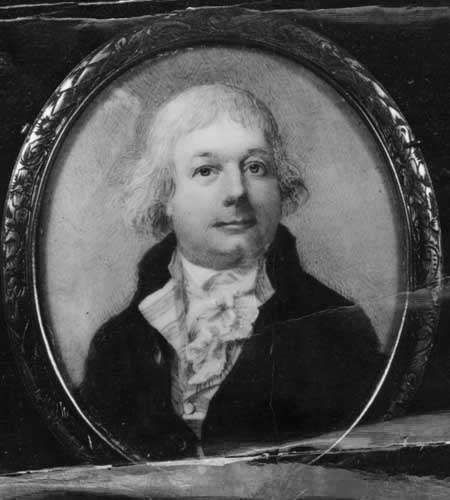
1804 Joseph Greenway PORTRAIT
1805 John Thomas
Wright
1806 Samuel White
1807 Charles Collyns
1808 Joseph
Gattey
1809 Edward Upham
1810 John Hore
1811 William Lee
1812
Benjamin Wm, Johnson - was a surgeon who was allowed a salary of
£400 for him to pay for sixteen official dinners.
1813 Burnet
Patch - was a hop and spirit merchant who had the small iron
Burnet-Patch bridge constructed in Cathedral Close. See Bridges
1814
John Hart
1815
John William Williams
1816 Samuel White
1817
Charles Brake - on
4th June 1818, Mayor Brake laid the foundation stone of the city prison
at Northernhay Street, now occupied by the Rougemont Hotel.
1818
Thomas Floud - opened the newly completed prison at
Northernhay
Street.
1819 Henry Blackall
1820 Robert Rogers Sanders
1821 George Galloway
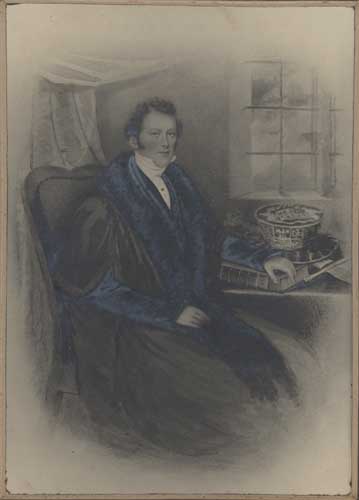
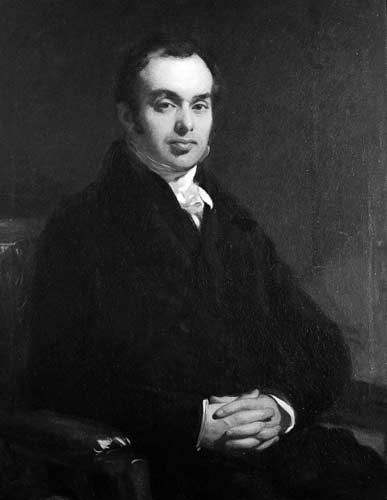
1822 John Harris PORTRAIT
1823 William Crockett
1824 Humphry
Hill Pinhey
- was the Mayor who opened the newly extended canal on 9th
April
1825.
1825 William Payme
1826 John Hart
1827 Henry Blackall
1828 John Haddy Jones
1829 Robert Rigers Sanders
1830 Paul Measor
1831 William Kennaway
- he ran Kennaway, the wine merchant in Palace Gate.
1832
Henry
Blackall
1833 Edward Woolmer - owner and editor of Woolmer's
Exeter
Gazette.
1834 Philip Chilwell de la Garde Sep-Dec
Municipal Corporation Act
replaced the
Chamber with a Council
1835 Philip Chilwell de
la Garde
Jan-Nov
1835 Samuel Kingdon (Jn) - took over Kingdon and Sons
from
his father - the business became Garton
and
King.
1836 William Kennaway
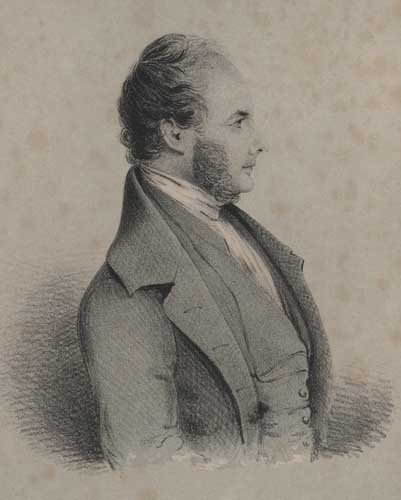
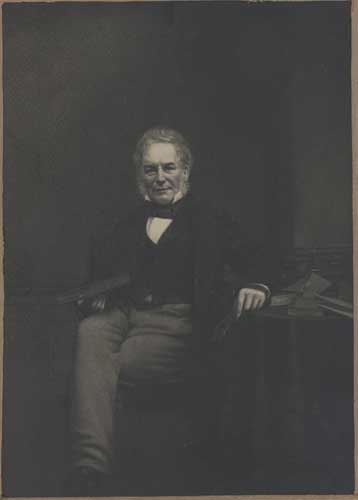
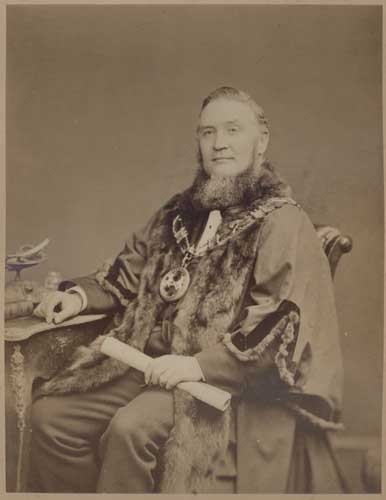
1837 William John Players Wilkinson PORTRAIT
1838
William John Players Wilkinson - this year two lion cubs were born at
Bonhay, probably in a travelling menagerie. Mayor Wilkinson named one
of them Exonia.
1839
Edward MacGowan M.D.
1840 William Drewe - was a non
conformist
and wine merchant in South Street. He took his family to Australia in
1852 and died there in 1862 where he has numerous descendants.
1841
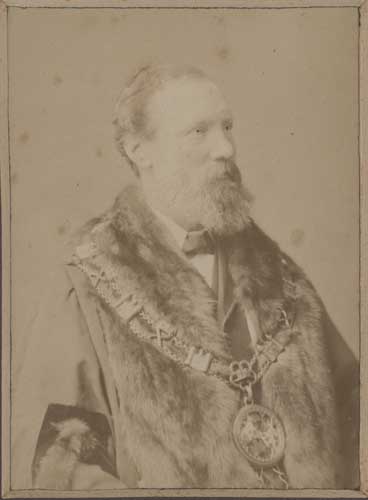
John Crew Carew PORTRAIT
1842 Charles Henry Turner
1843
William Page
Kingdon - cousin of Samuel Kingdon who was Mayor in 1835
1844
Henry Hooper - builder of St David's Station, and the Higher and Lower
Markets.
1845 Edward Woolmer
1846 Charles Brutton
1847
William Denis Moore
1848 Thomas
Shapter - doctor who worked tirelessly during the 1832
cholera
epidemic and wrote an important study of the outbreak. PORTRAIT
1849
Christopher Arden
1850 Edward Andrew Sanders
1851
William Wills
Hooper - brother of Henry Hooper, Mayor in 1844
1852 William
Wills
Hooper
1853 Robert Stribling Cornish - builder of Holy Trinity Church and the grey warehouse on the quay. He
also purchased, at his own expense, a large quantity of fireworks to be
set off in a field near Paris Street, to prevent the annual 5th
November bonfire in Cathedral Yard. After the fireworks show, the crowd
still built a bonfire in Cathedral Yard despite efforts by the police
to prevent it.
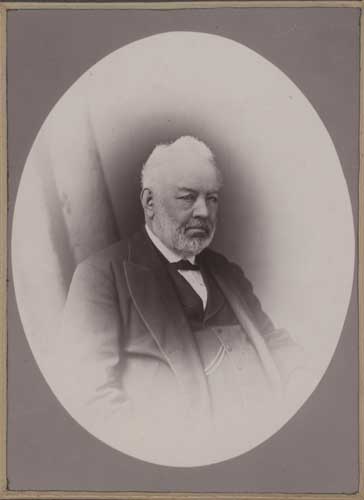
1854 John Daw PORTRAIT
1855 John Daw
1856 Thomas G.
Norris
1857 William Buckingham
1858 Henry Hooper
1859
Thomas Tanner
1860 Thomas E. Drake
1861 William
Kendall -
Kendall's Building in Blackboy Road named after him. PORTRAIT
1862
William
Barnes
1863 Thomas Maitland Snow - (b 1817 d 1899), his
father,
Thomas Snow (b 1791) was a wine trader and partner in the City Bank.
Snow also became a partner, as did his son, who was Mayor in
1889.
1864 Robert Thomas Head
1865 Robert Thomas Head
1866 Robert
Thomas Head
1867 John Trehane - wine merchant trading from
the Chevalier Inn (Hogs Head) building,
Fore Street in partnership with Charles Ham. His great grandson was Sir
Richard Trehane a well known figure in late twentieth century farming
and Chairman of the Milk Marketing Board 1958-1977, while his great
great grandson is Guy Trehane, a farmer in Dorset.
1868 Henry
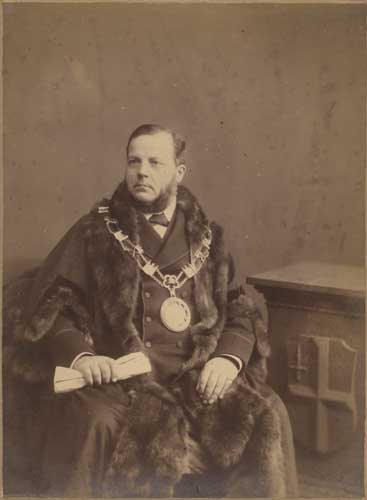
Samuel Ellis PORTRAIT
1869 Richard James Norman King
1870
Bartholomew
Charles Gidley - son of the Town Clerk, he was a solicitor and Freeman
of the City. An antiquarian who contributed to the Devon and Cornwall
Notes and Queries, he died in 1888 and was buried in All Hallows on the
Wall cemetery.
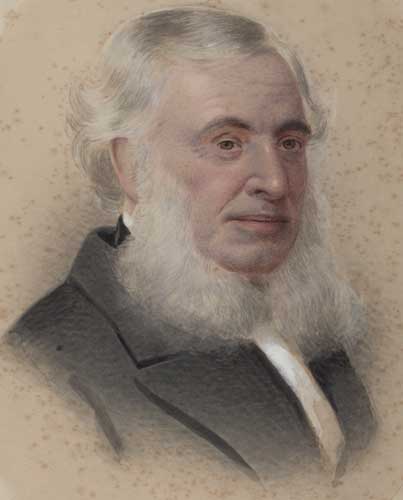
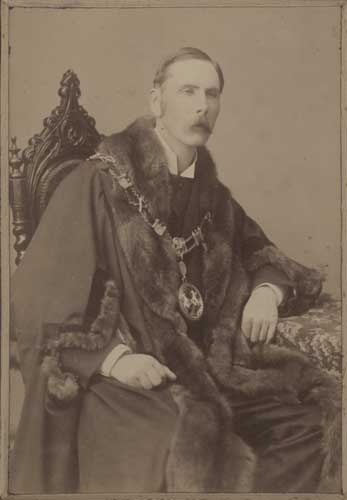
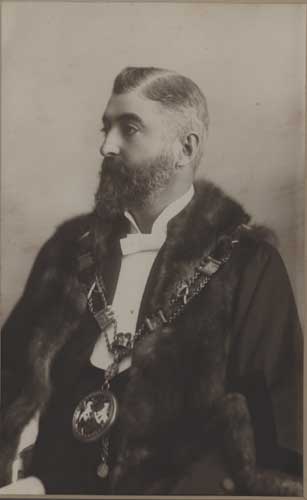
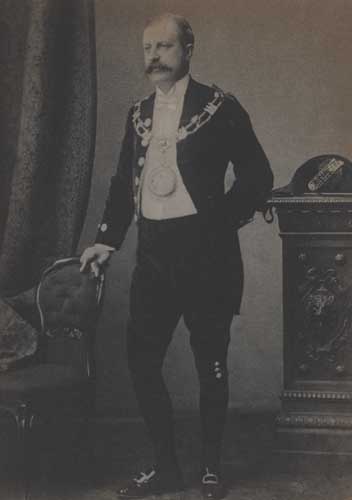
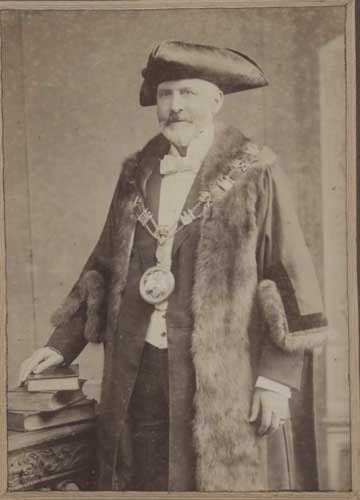
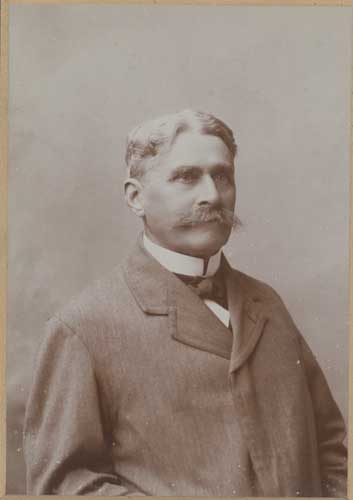
1871 Joseph Harding - one of the founders of St Annes Well Brewery PORTRAIT
1872 Charles John Follett - Follett's Building in the West Quarter
named after him. He was the nephew of Sir William Follett.
1873
Charles John Follett
1874 Horace Charles Lloyd PORTRAIT
1875
Henry
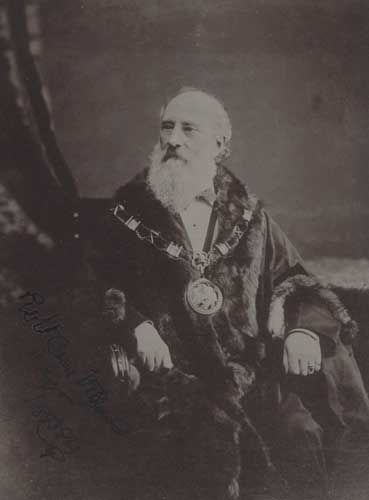
Wilcocks PORTRAIT
1876 William Cuthbertson PORTRAIT
1877 Henry Drew
Thomas - was
a brewer and partner in Harding, Richards and Thomas or St Annes
Brewery. He lived in Dix's Field. PORTRAIT
1878 William
Horton Ellis -
was
the last Mayor to read the Riot Act. PORTRAIT
1879 William Horton Ellis
1880 Walter Pring - co-owner of Norman and Pring at the City Brewery PORTRAIT
1881 Thomas
Andrew PORTRAIT
1882 Samuel Jones - PORTRAIT
1883 Robert
Carne Wilkinson PORTRAIT
1884
William Brown - presented Frank
Shooter, Hero of the Exe with a gold medal and a purse
containing
£135 for his gallantry. PORTRAIT
1885 Richard
Rendle Miller
Daw PORTRAIT
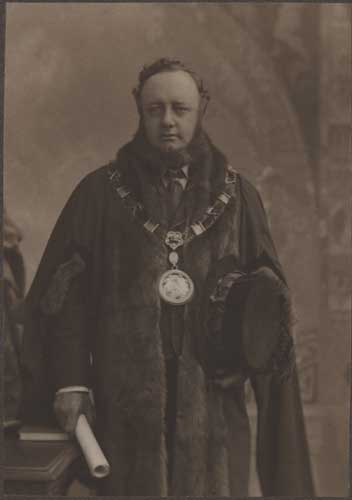
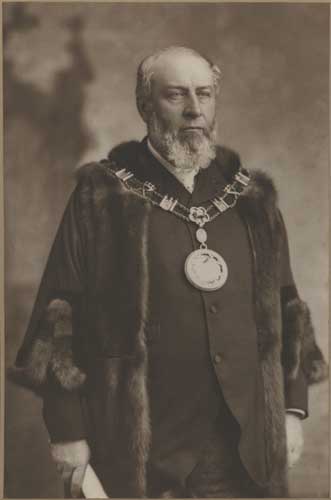
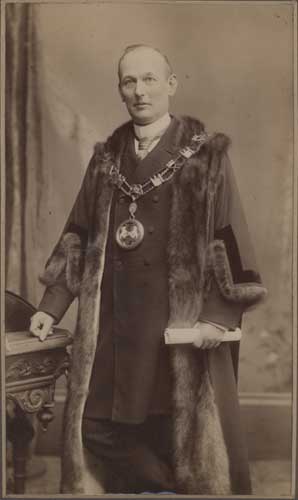
1886 Arthur Burch PORTRAIT
1887 Charles Tanner Kingdon
Roberts PORTRAIT
1888
William Peters PORTRAIT
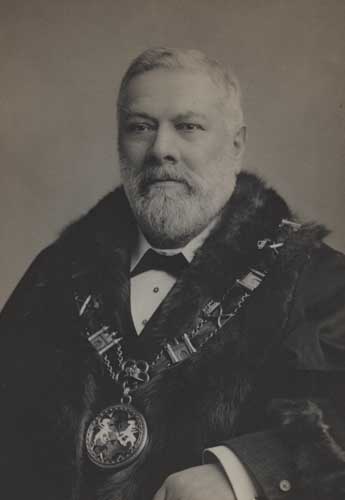
1889 Thomas Snow - born 1852,
son of Thomas
Maitland
Snow who was Mayor in 1863. He was a partner in the City Bank that was
absorbed into the National Provincial Bank in 1918. PORTRAIT
1890
Charles Edwin Ware PORTRAIT
1891 Edward Holroyd
Houlditch PORTRAIT
1892 Henry Frederick
Willey -
founded Willey's
Foundry PORTRAIT
1893 Edward James
Domville PORTRAIT
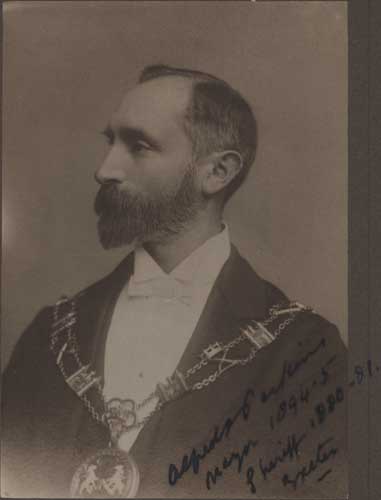
1894
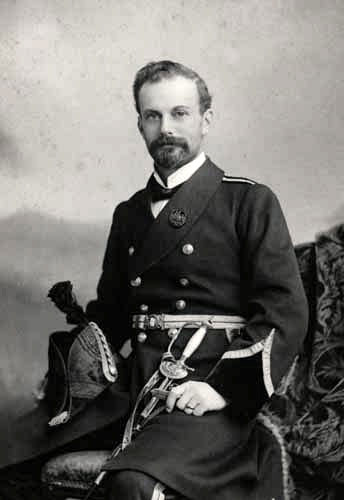
Alfred Robert
Steele-Perkins PORTRAIT
1895 Robert
Pople -
proprietor of the New
London Inn PORTRAIT
1896 Robert Pople
1897 Robert Pople
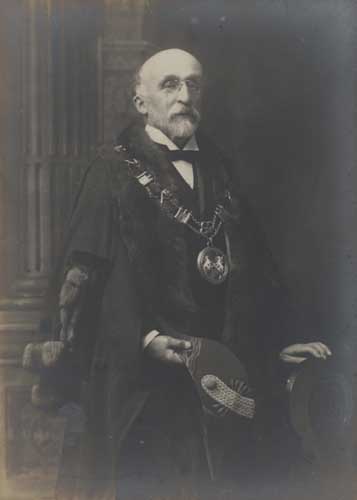
1898 Samuel Ward PORTRAIT
1899
Hubert Palmer Osborne Hamlin PORTRAIT
1900 Albert Edward Dunn -
founder, in
1892 of Dunn and Baker, solicitors. PORTRAIT
1901 Albert Edward Dunn
1902
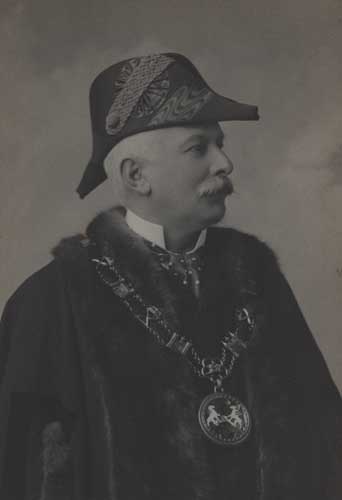
Charles Edward Rowe PORTRAIT
1903 Frederick John Widgery (F J) -
also a well known artist, especially of Dartmoor scenes. PORTRAIT
1904
Edwin
Charles Perry - born in Ramsgate, Perry was widowed and re-married
having four daughters and a son, being the Devon Liberal election agent
in 1900. He drove the first (1905) and last (1931) electric tram in the
city. PORTRAIT
1905
Thomas Linscott - a pawnbroker and jeweller by trade, Linscott was from a long line of Exonians, although he was born in Marylebone, London. PORTRAIT
1906 William Henry Reed --
donated his
estate of Streatham Hall in 1922 to the University - re-named
Reed
Hall to commemorate its benefactor, Alderman W H Reed PORTRAIT
1907
Henry
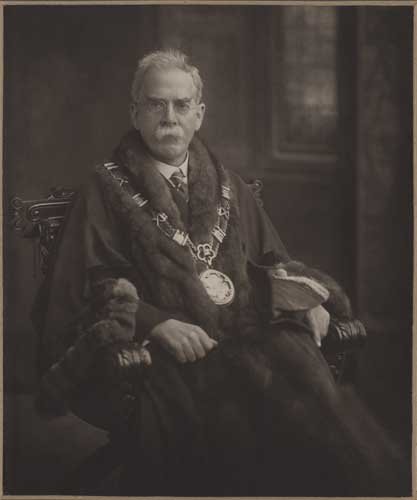
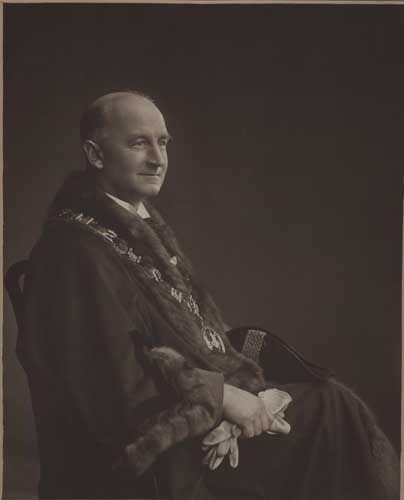
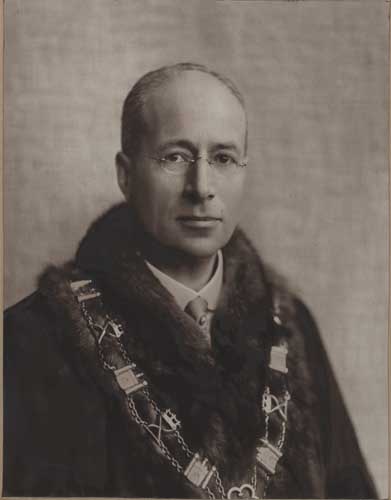
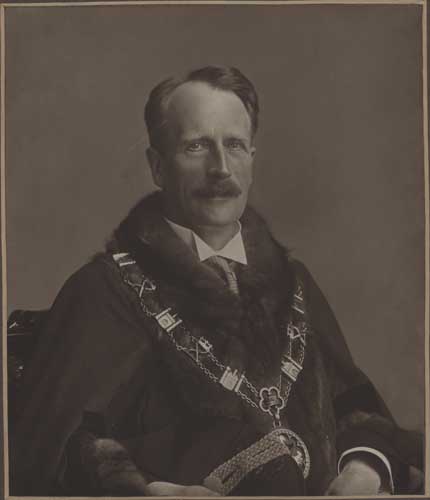
Gadd PORTRAIT
1908 James George Commin PORTRAIT
1909 Henry Hugh
Wippell -
proprietor of Wippells PORTRAIT
1910 Alfred Thomas Loram PORTRAIT
1911 Charles James
Vlieland - was a Doctor who lived in West Southernhay. During his time
as Mayor, he opened Rougemont Gardens for the public. Charles
Vlieland's grandfather was Dutch and he has living relatives in the
Netherlands. PORTRAIT
1912 Henry William
Michelmore PORTRAIT
1913
William Kendall
King PORTRAIT
1914 James George Owen - proprietor of the Express and
Echo. PORTRAIT
1915 James George Owen
1916 James George Owen
1917
James George
Owen
1918 Sir James George Owen
1919 Thomas Bradley
Rowe PORTRAIT
1920 Arthur Charles Roper PORTRAIT
1921 Philip Foale Rowsell
- his
charity for three years was the Exeter Cancer Fund which raised
£11,000 to equip the new X-ray, Radium and Electrical
Treatment
Department at the RD&E. PORTRAIT
1922
Philip Foale Rowsell
1923
Philip Foale Rowsell
1924 Arthur Northcote Pitts PORTRAIT
1925 William
Brock PORTRAIT
1926 Ransom Pickard - the Ransom Pickard Hall of
residence,
opened in 1967, at the University commemorates this Mayor. PORTRAIT
1927
Arthur Ernest Brock PORTRAIT - owner of Brocks Furnishing in Fore Street.
1928 John Shirley Steele-Perkins PORTRAIT
1929 Harold Charles Rowe PORTRAIT
1930 Charles Warren PORTRAIT
1931
Henry William
Michelmore PORTRAIT
1932 Kenneth Gatey PORTRAIT
1933 Thomas John
Wembridge
Templeman PORTRAIT
1934 James William Ackroyd - owner of a store in
Fore
Street. PORTRAIT
1935 Percy Rufus Gayton - he was the first Labour Mayor in the City. PORTRAIT
1936 Alfred
Anstey - the first
aircraft to land at Exeter Airport on 31st
May 1937 was greeted by Mayor Anstey. He, along with civic leaders were
then given a flight over the city. PORTRAIT
1937 Reginald John Rew - worked for Willeys and in the gas industry. PORTRAIT
1938
Rowland Glave Saunders - along with his wife, Mayor Saunders worked
tirelessly through the war to raise money for the war effort and keep
up morale. PORTRAIT
1939 Rowland Glave
Saunders
1940 Rowland
Glave
Saunders
1941 Rowland Glave Saunders
1942 Rowland
Glave Saunders
1943 Rowland Glave Saunders
1944 Vincent Thompson - Conservative, from Leeds, he was a solicitor. St Luke's Science and Sports
College was formerly named Vincent Thompson School from 1953.
1945
Francis Henry Tarr - he was a founder of the Exeter Labour Party. He was an employee of the
Exeter Gas Board.
1946 William Outon Wills - ran a drapers
in Sidwell Street, called Gould and Wills, and lived in Heavitree Road.
1947 William
Thomas
Slader - Nov 1947 to May 1949. Known as 'Potato Pete" because he owned a
fruit and vegetable wholesale business in Southernhay East.
1948
William Thomas Slader
1949 William Thomas Slader
1949 William Godwin Michelmore from May 1949 - a retired
Major-General who won the MC and DSO in WW1. His father was Mayor 1912/1931.
1950 John Geoffrey Rowe Orchard -
owned the
Royal Clarence Hotel.
1951 Frederick Peter Cottey - a
solicitor,
Cottey was one of three partners who formed Southern Speedway Ltd in
1929, bringing speedway to the County
Ground. (submitted by his great niece, Maggie Silver) PORTRAIT
1952 Richard
Wayland Smith - surgeon at the RD&E. PORTRAIT
1953 Alfred James Bovey - Labour, he worked for
British Rail
and lived in Attwyll Avenue. PORTRAIT
1954 Charles William Holcombe
Hill - chairman of the bakers, Hill, Palmer and Edwards. He lived
in Spicer Avenue.
1955 Gilbert John Greenslade - Independent, he was one
of the
founders of Greenslades
(Hookways) Coaches PORTRAIT
1956 Clifford James Fuller - was a senior physician at the Royal Devon
and Exeter Hospital, where his pale blue Rolls Royce was a well known
site. PORTRAIT
1957 Ronald Hay Creasy - lived in St Leonards Avenue
and
was a retired Lt Colonel.
1958 Charles Rew - Labour, he was a post-office engineer. PORTRAIT
1959 Charles Woodland -
owned a
plumbing business that installed the plumbing at Castle Drogo. The
business became Howard, Woodland & Stephens. He died as the
result
of a shooting accident at Beare Farm, Crediton in 1961. PORTRAIT
1960
Philip
Francis Brooks - Labour, he was a British Railways guard who lived in Hoker Road.
Awarded the BEM in June 1958, Brooks moved with his wife to New Jersey
in his seventies. He died in 1984. PORTRAIT
1961 Alfred Peter
Steele-Perkins - a solicitor who lived in Woodwater Lane. He was
chairman of the Watch Committee. PORTRAIT
1962
Kenneth Charles Harold
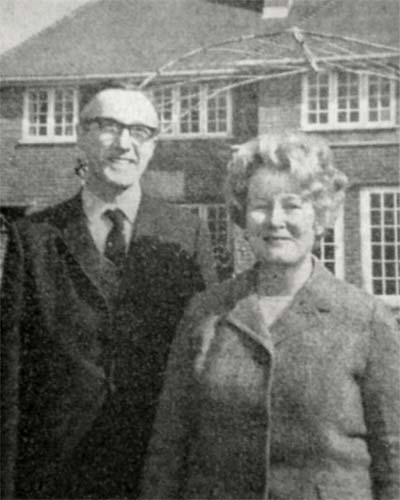
Rowe - chairman of Rowe Brothers & Co. He died in 2006. PORTRAIT
1963
Walter
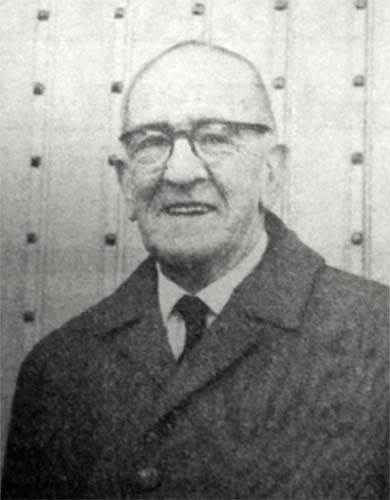
George Daw - was born in Paul Street; his father was a baker. PORTRAIT
1964
Patrick Allan Spoerer - Labour, he was the director of the South Western Optical Co. Ltd. PORTRAIT
1965 James Lethley Smeall - principal of St Lukes Training College and one of
the few, non councillor mayors. PORTRAIT
1966 Minnie Nichols - Conservative, she was
elected
as the first Lady Mayor. She promoted the welfare of people with
special needs, and the Nichols Centre was named after her. PORTRAIT
1967
Ronald (Ron) Edward Charles Board - Labour, a guillotine operator and union official who often sat on the
Magistrates Saturday bench. PORTRAIT
1968 John Belsey Martin -
Conservative, grandfather
of Chris Martin of
Coldplay and
founder of Martins Caravans in 1929. PORTRAIT
1969 William James
Hallett -
opened the northern Exe Bridge and was the first to cross in the
mayoral Rolls Royce. PORTRAIT
1970 Percy Hilton - Liberal, he was a solicitor with
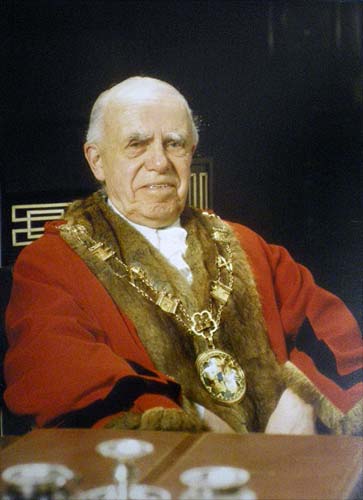
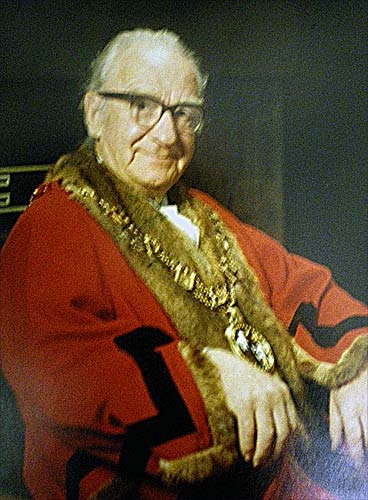
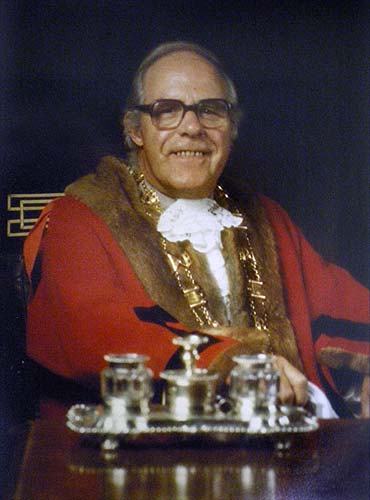
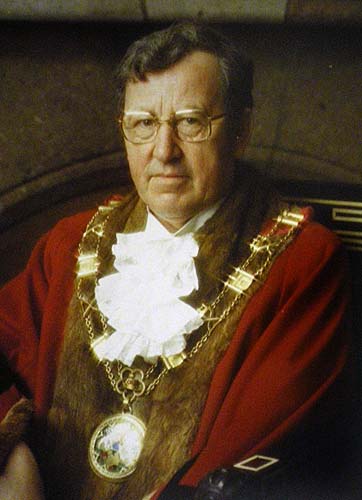
Tucker & Hilton, and formerly a professional football referee. PORTRAIT
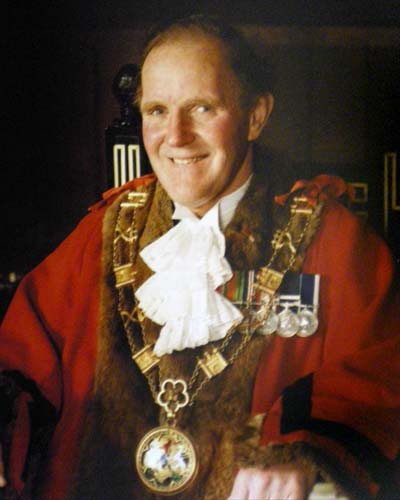
1971 Herbert Samuel Sargent - Conservative, he was a
solicitor
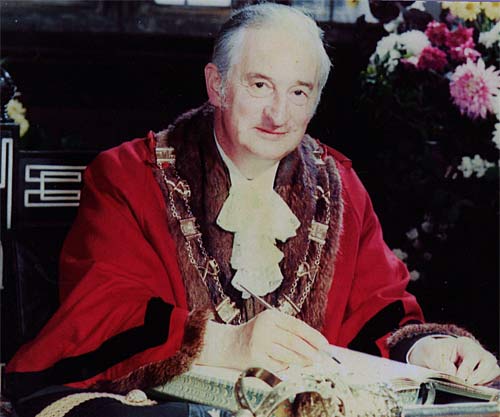
with Sargent & Probert. Sargent became Chairman of Devon County Council for 18 months, until his death in 1978. PORTRAIT
1972 Gordon Anthony Joy -
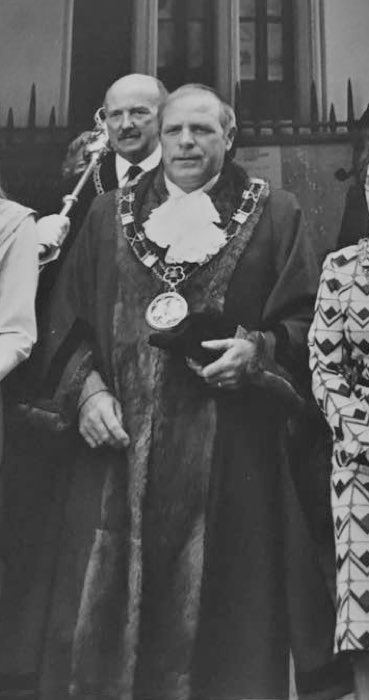
Labour, he was employed by the fire service. PORTRAIT
1973 Ernest Charles Lovelace
Tozer -
Conservative, he was the last Mayor of the City and County of the City of Exeter, ending
on 30 March 1974. He was a master dairyman from St Thomas. PORTRAIT
Exeter
lost its
County status to become a District Council
1974
Walter
George Daw - was Mayor from 1st April to the 2nd April 1974,
of
the District Council of Exeter. PORTRAIT
1974 Samuel
Honeywill MBE -
Liberal, he was
elected as the Chairman of the District Council and Mayor of Exeter, he was the first life member of the Falcons. PORTRAIT
The Mayors term commenced
on the
second Tuesday of May from 1974
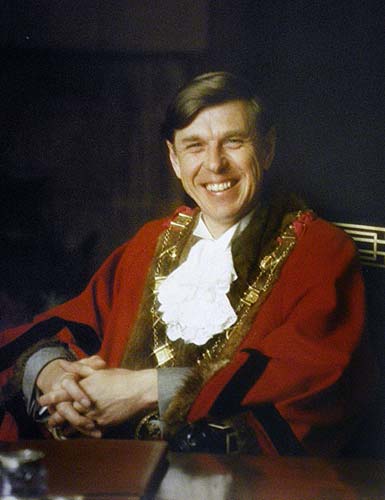
1975 William
Peter Hutchings PORTRAIT
1976 John Frederick Landers PORTRAIT
1977
Roger John Keast - was a
solicitor. He undertook a trip to Rennes for the twinning, in the city Rolls Royce. PORTRAIT
1978 Norman William Francis Long - was a railwayman. PORTRAIT
1979
Richard
John Van Oppen - Conservative, he was a solicitor and possibly the last city coroner. PORTRAIT
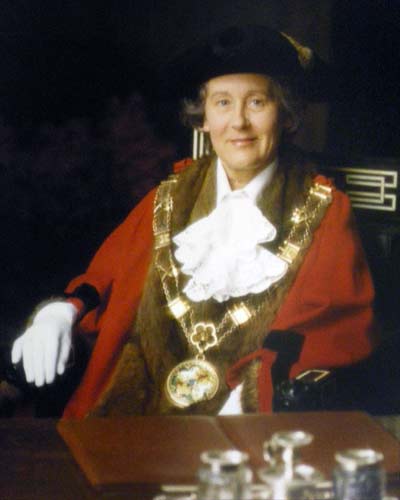
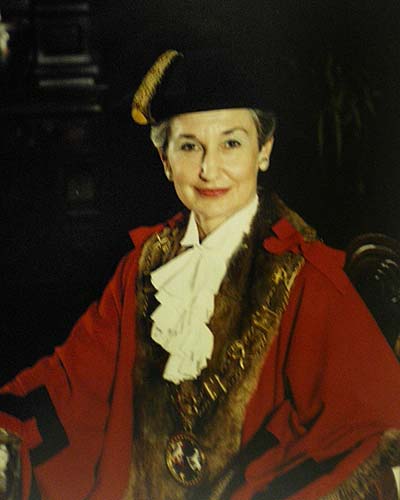
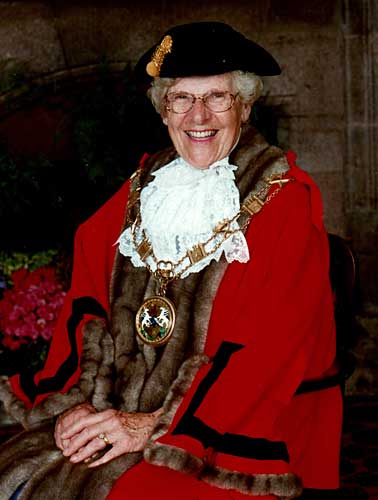
1980 Joan Margaret Richardson PORTRAIT
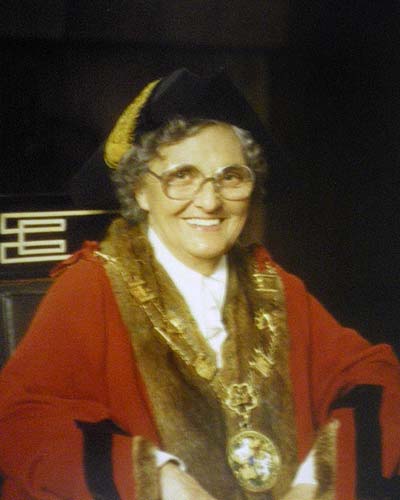
1981
Ivy Maud Johns - Exeter's
first
Labour female Mayor, John's lived on the Burnthouse Lane Estate for 50
years and represented Wonford for 17 years. She was involved in
founding Exeter's Hospiscare. She died in June 2007 at the age of 96. PORTRAIT
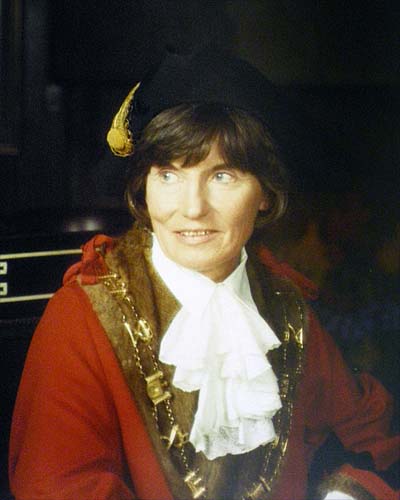
1982 Patricia Spencer PORTRAIT
1983 Raymond
Edward Robert Long - was a
railwayman - brother of Norman William Long (1978) PORTRAIT
1984 James
Pollitt - was a Labour Councillor. PORTRAIT
1985 Roy Slack -
was a railwayman who
was
Labour leader of the City Council from 2000 until 2007. He represented
Exwick. PORTRAIT
1986 Alan Williamson PORTRAIT
1987 William Henry
John Rowe - was
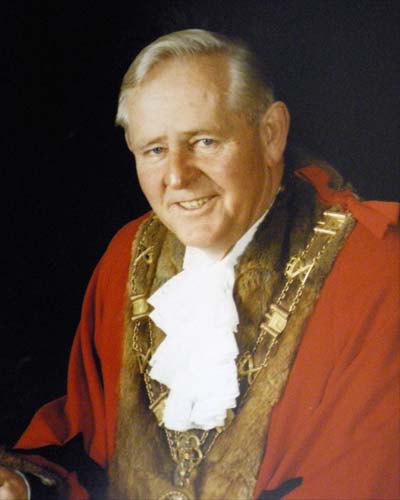
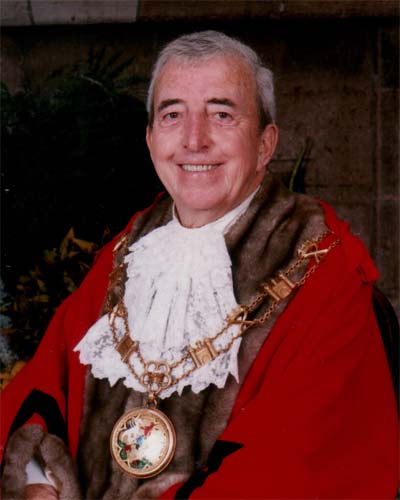
a coal merchant, who received the OBE in 1987. He died in October 2014, aged 91. PORTRAIT
1988 Michael James
O'Callaghan - served for 18
years as
a Labour councillor for Wonford, O'Callaghan was a bus conductor. He
also ran a stall in George's Market for a time. He died in December
2007. PORTRAIT
1989 Diana Winifred
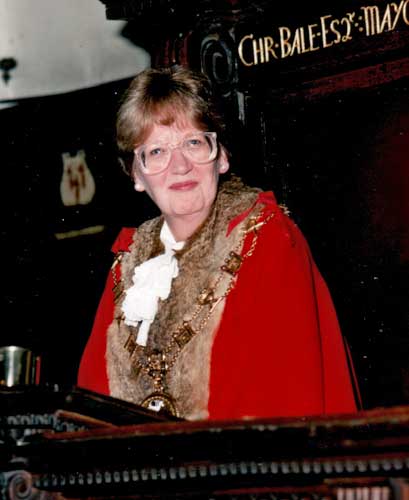
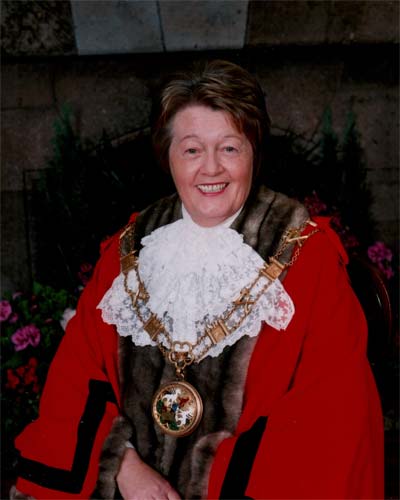
Pamela Sutton Bess PORTRAIT
1990
George Clark
- born in Rifford Road and orphaned at the age of nine, Clark became
active in local politics, representing the same area for 15 years.
He
was the first bus driver to be a Mayor of the City. PORTRAIT
1991
Anthony Fry PORTRAIT
1992 Yolanda Henson - ran a small private hotel in St David's. She is
still leader of the Conservatives in Exeter (2012). PORTRAIT
1993
Martin Rich PORTRAIT
1994 Ramon Yeo - an
accomplished organ
player and
organist at Withycombe Raleigh Parish Church. He is the Honary
President of the Bach Society in Exeter. PORTRAIT
1995 Margaret
Midgeley PORTRAIT
1996 Ian Mitchell PORTRAIT
1997 John
Holman PORTRAIT
1998 Barry
McNamara PORTRAIT
1999
Roy Hill - was a taxi driver in the city. PORTRAIT
2000 Mary Evans -
first
councillor for Topsham to be elected Mayor. PORTRAIT
2001 Granville Baldwin became the first Lord Mayor on 23 April 2002 for
the residue of his term.
He died after a long battle against cancer in June 2009. PORTRAIT
Exeter was granted a Lord Mayor
in 2002
2002
Val
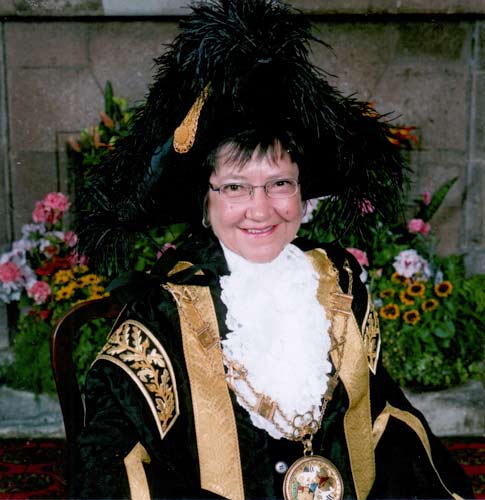
Dixon PORTRAIT
2003 Margaret Danks PORTRAIT
2004
Hilda Sterry PORTRAIT
2005 Peter
Wadham - at the Trafalgar Way re-enactment. Wadham welcomed a
post-chaise at the Guildhall to remember the journey of Lt John
Lapenotiere with the news of Trafalgar. PORTRAIT
2006 Norman
Shiel
- the Lord Mayor's charity for the year, the South West MS Centre
benefited by £21,000 during Shiel's term in office. PORTRAIT
2007 Hazel
Slack - is the first former Mayoress to be (Lord) Mayor in her own
right. Councillor Slack runs a nursery shop in the city. PORTRAIT
2008
Paul
Smith - Councillor Smith was born in Paddington, adopted and brought up in
Maidstone. His charity was Southbrook Specialist Special College. PORTRAIT
2009
John
Winterbottom - a Conservative councillor for St Leonard's who was a
former financial adviser. His charity was
Dream-A-Way. PORTRAIT
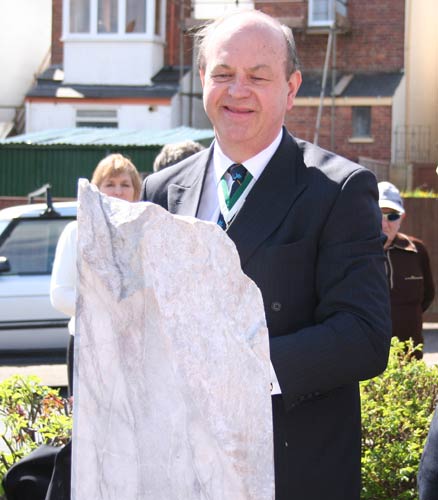
2010 Marcel Choules - a Labour councillor. He has been a fairground booth fighter, bouncer and chef. His charity was The Wonford & St Paul's Youth & Community Project. PORTRAIT
2011 Stella Brock - a Liberal Democrat, her charity was the Mark Marshall Youth Fund. Marshall was a PCSO who died in Afghanistan in 2010. PORTRAIT
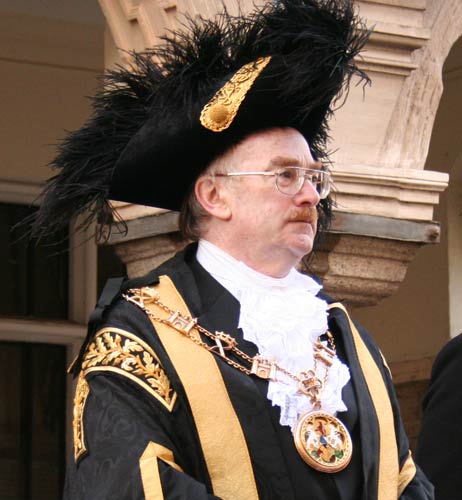
2012 Rob Newby - a Conservative Councillor and former London Fire Brigade firefighter, Councillor Newby's charity was SOCOPS for austistic children. PORTRAIT
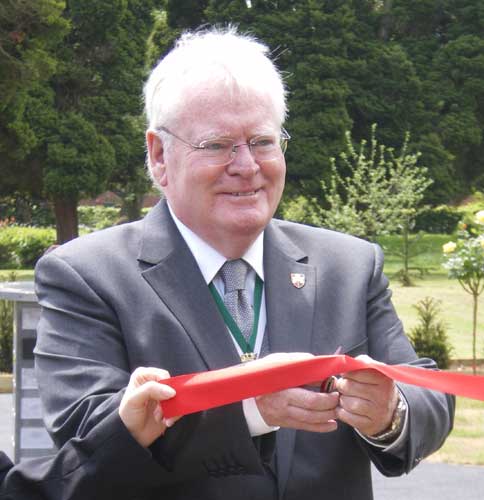
2013 Rachel Lyons - a Labour Councillor and former nurse, Councillor Lyon's charity is ATAXIA for people with the neurological disorder. PORTRAIT
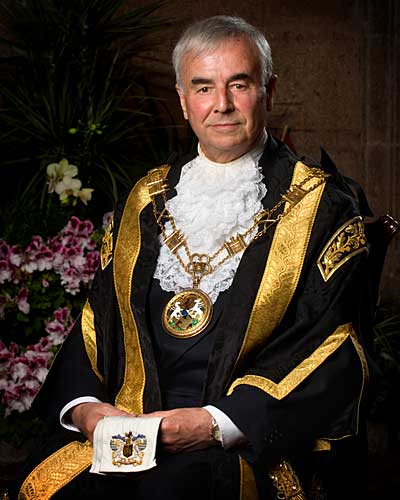
2014 Percy Prowse - a Conservative Councillor and former policeman. Councillor Prowse's charity is the Exeter Leukaemia Fund. PORTRAIT
2015 Olwen Foggin - a Labour County Councillor representing Heavitree and Whipton Barton. Her charity is The Exeter Foundation, a civic trust established by the Exeter Chiefs and Exeter businessmen. PORTRAIT
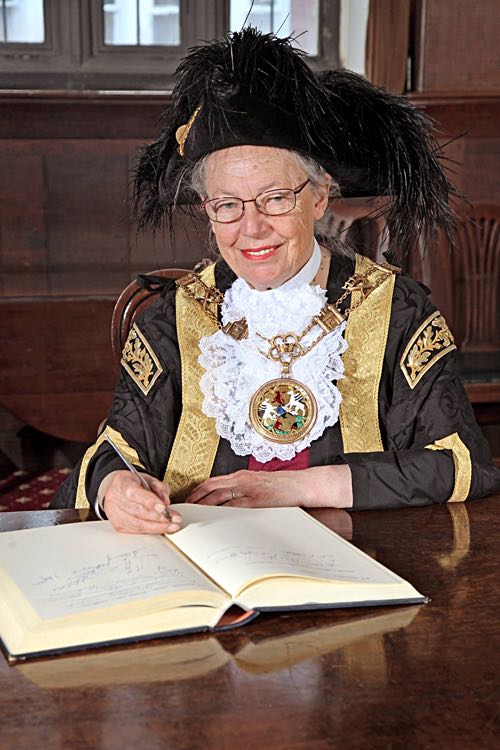
2016 Cynthia Thompson - born in St Thomas, a Conservative councillor, she was a music teacher. The Lord Mayor's chosen charity is the Devon Freewheelers. PORTRAIT
2017 Lesley Robson - born in Buckinghamshire, a Labour councillor for Priory, she worked for IBM, and taught EFL. The Lord Mayor's chosen charity is Age UK Exeter. PORTRAIT
2018 Rob Hannaford - was born in 1972 in Torquay. He has been involved in community work in St Thomas and Exwick since 2003. The Lord Mayor's chosen charity is. SSAFA Devon. PORTRAIT
2019 Peter Holland - Born in London, Councillor Holland was a teacher, before working for Royal Mail. His chosen charity is the Exeter City Community Trust. Because of Covid, Councillor Holland is the only Lord Mayor to serve two years. PORTRAIT
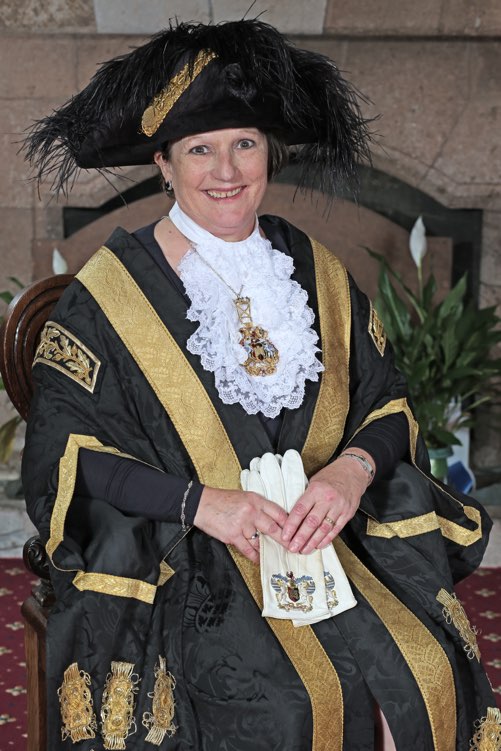
2021 Trish Oliver - A Labour Councillor, Oliver was a nurse in the old “mental Asylums” and later an acute psychiatric ward in Sheffield. Her charity is Inclusive Exeter. PORTRAIT
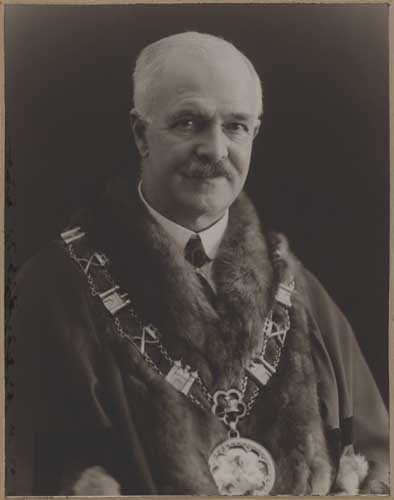
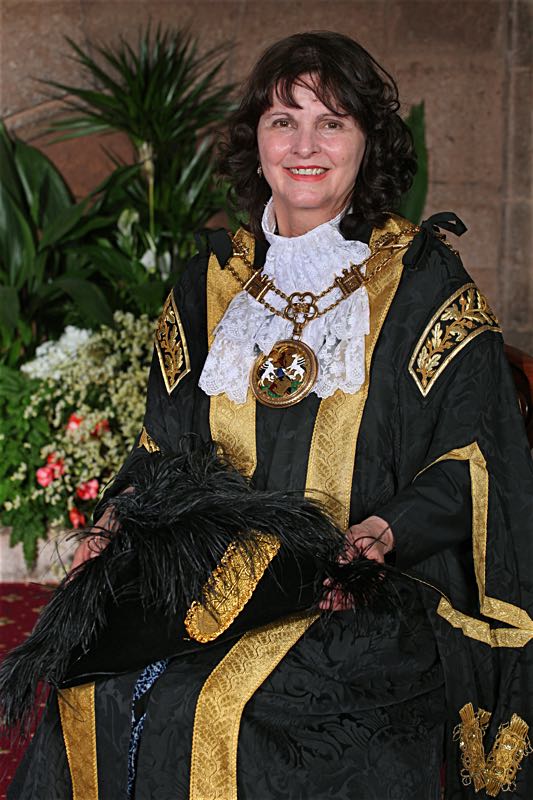
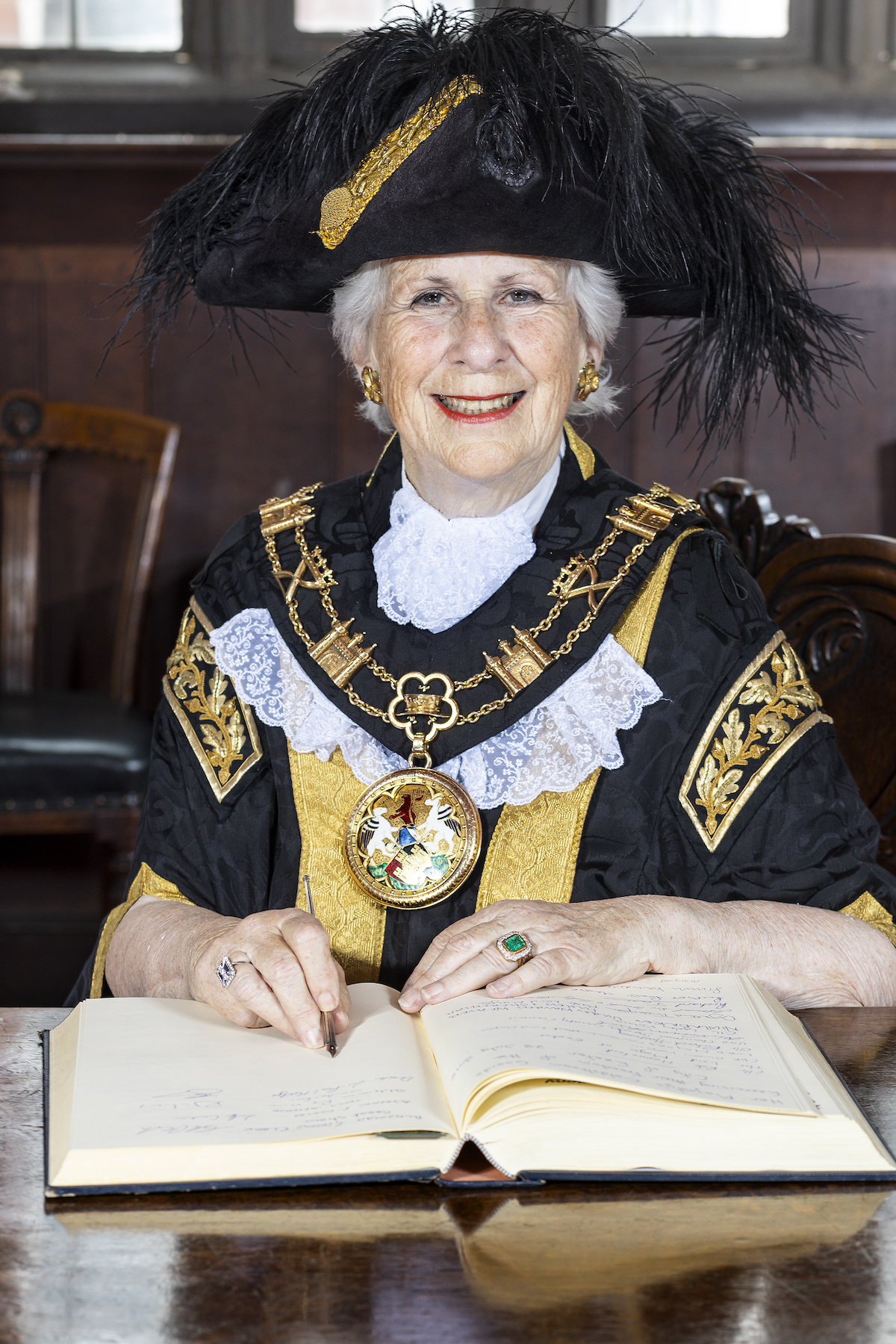
2022 Yolonda Henson - Born in Exeter, Yolonda had been a member of the City Council as a Conservative Councillor since 1979 with one year broken in 1982. She stood down after 39 years in May 2023. She will be the only person in Exeter’s history to hold all 6 of the Civic positions: Mayor (1992/93); Deputy Mayor (2000/01); Deputy Lord Mayor (2019/20); Lord Mayor 2022/23; Freeman of the City (2015) and Honorary Aldermen (2023). Her chosen charity of the year was Exeter Dementia Action Alliance. PORTRAIT
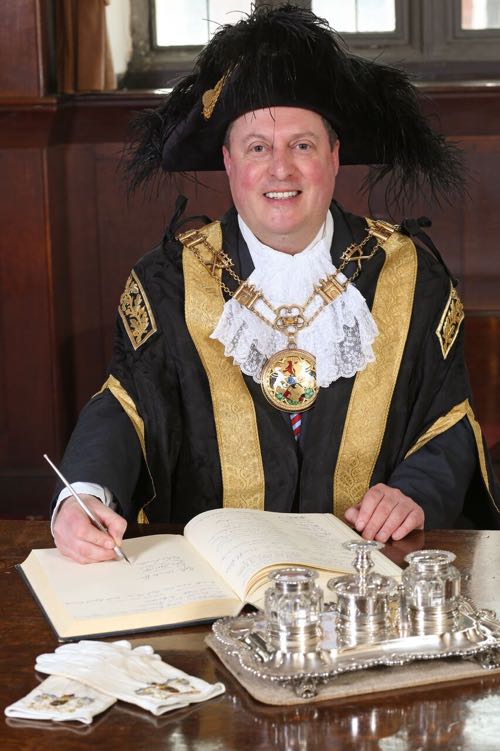
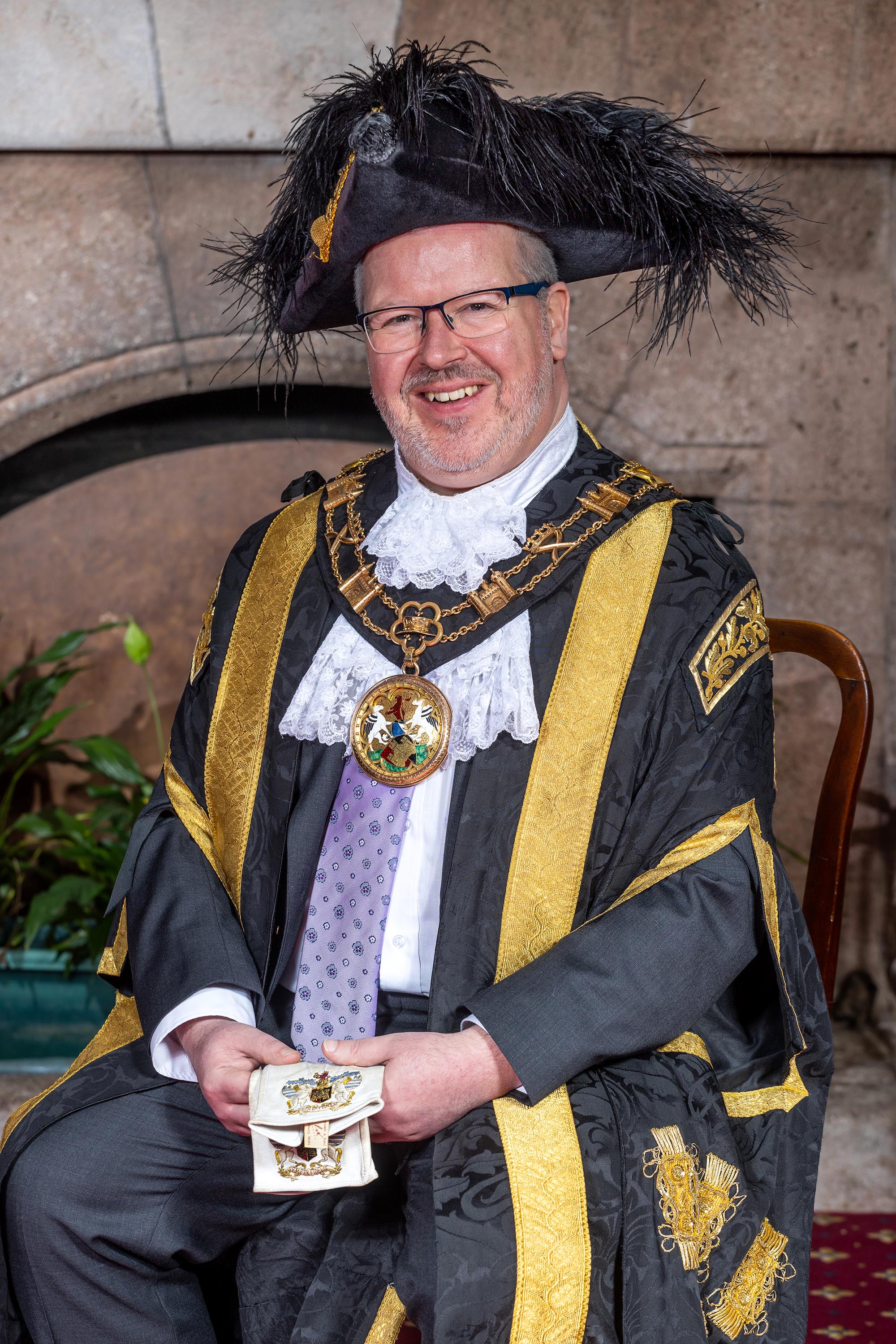
2023 Kevin Mitchell - Born in Exeter, Kevin, a Liberal Democratic Councillor, is an Oncology Clinical Nurse Specialist within the Skin and Sarcoma Service at the RD&E Hospital. His chosen charity of the year is FORCE Cancer Charity. PORTRAIT
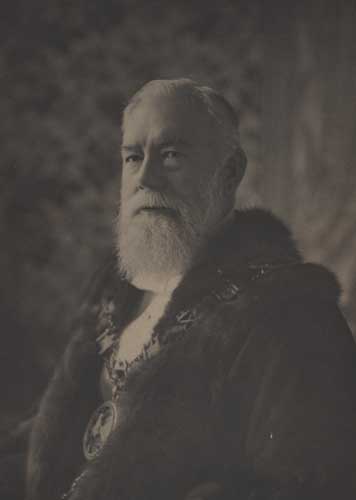
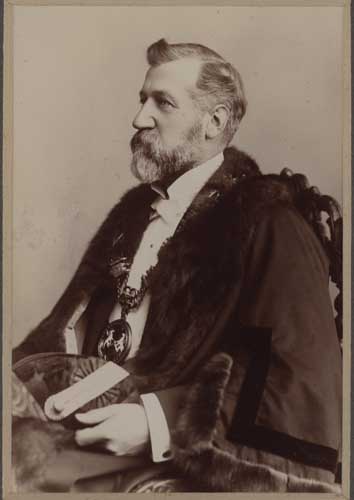
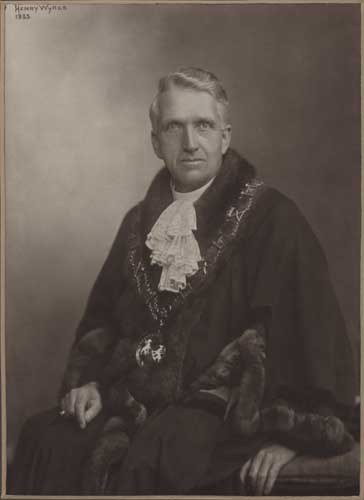
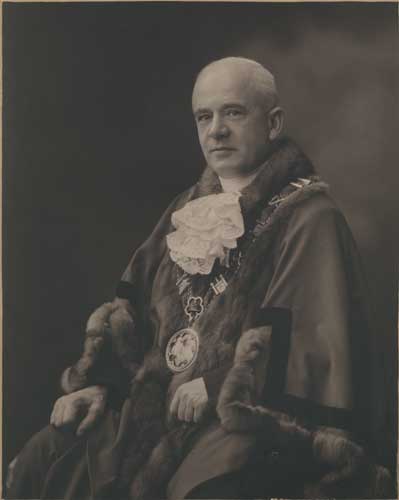
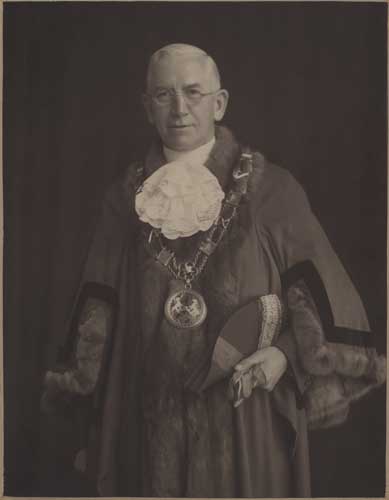
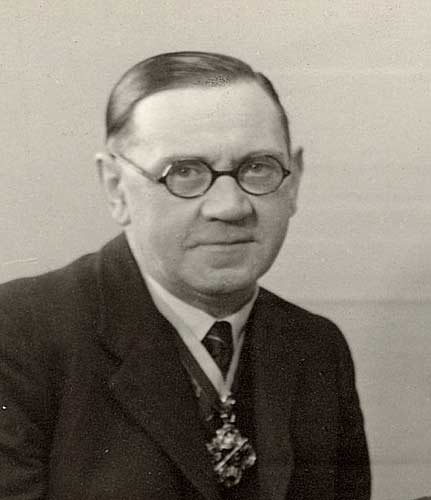
Source - Richard Izacke, Chronicles of Exeter by Todd Gray, Exeter 1540 to 1640 by Wallace T MacCaffrey, Eighteenth Century Exeter by Robert Newton and the City Archivist. With thanks to the Mayors Office<, Exeter City Council for allowing the use of many of the portraits after 1974 and the Westcountry Studies Library for the prewar photos.
│ Top of Page │
 Join the Exeter Memories